
Camera Lens Filters: Types and What They’re Used For
Whether you're a landscape photographer chasing golden hour or a filmmaker trying to control light in harsh conditions, camera lens filters are essential tools in your kit. These handy accessories attach to the front of your lens and can dramatically improve the quality and style of your images—before you even touch the edit button.
In this post, we’ll break down the most common types of lens filters, what they do, and why you might want to carry a few in your bag.
1. UV Filters
Best for: Lens protection and basic outdoor shooting
Originally designed to block ultraviolet light and reduce haze in film photography, UV filters don’t have a strong optical effect on digital sensors today. However, they’re still widely used to protect the front element of your lens from dust, scratches, and fingerprints.
-
✅ Clear image quality
-
✅ Permanent lens protection
-
❌ Minimal visual impact
Tip: Invest in a high-quality multi-coated UV filter to avoid image degradation.
2. Polarising Filters
Best for: Landscape, outdoor, and reflective surfaces
Circular polarisers (CPLs) reduce glare and reflections from non-metallic surfaces like water, glass, and foliage. They also enhance colour saturation and improve contrast in skies.
-
✅ Deepens blue skies
-
✅ Cuts through reflections
-
✅ Boosts colour vibrancy
Tip: Rotate the filter to adjust the level of polarisation—it’s most effective when the sun is at a 90-degree angle to your shot.
3. Neutral Density (ND) Filters
Best for: Long exposures, video, bright light conditions
ND filters reduce the amount of light entering the lens, allowing you to use slower shutter speeds or wider apertures even in bright environments.
-
✅ Smooth out waterfalls or oceans
-
✅ Blur motion (people, cars, clouds)
-
✅ Maintain cinematic shutter speeds in video
Types include:
-
Fixed ND: Offers one specific light-reducing strength (e.g. ND8, ND64).
-
Variable ND: Lets you dial in different strengths by rotating the filter—great for video.
Tip: Higher ND values (like ND1000) are perfect for dramatic long exposure photography.
4. Graduated ND Filters (GND)
Best for: Balancing exposure in high-contrast scenes
GND filters are dark at the top and clear at the bottom, allowing you to reduce brightness in specific parts of the frame—typically used in landscapes to darken bright skies while keeping the foreground properly exposed.
-
✅ Balance bright skies and dark land
-
✅ Retain dynamic range in-camera
-
❌ Less flexible than bracketing or digital blending
Tip: Available in hard or soft gradients depending on how abrupt you want the transition.
5. Colour Filters
Best for: Black and white photography or creative colour effects
In black and white photography, coloured filters (red, yellow, green, blue) change how colours convert to greyscale. For example, a red filter darkens skies and boosts contrast in clouds. In colour photography, these can create stylised tones.
-
✅ Adds mood or drama
-
✅ Alters tonal relationships
-
❌ Niche and less common in digital workflows
6. Infrared Filters
Best for: Experimental photography
Infrared (IR) filters block visible light and allow only infrared light to pass through, creating surreal and ethereal effects. Foliage appears white and skies take on deep tones.
-
✅ Unique, dreamy visuals
-
✅ Reveals unseen aspects of the world
-
❌ Requires camera modifications or long exposures
7. Special Effect Filters
Best for: Creative expression
These include:
-
Star filters – turn light sources into starbursts
-
Soft focus filters – add a dreamy glow
-
Streak or prism filters – distort or flare light for an artistic feel
-
✅ Great for portraits and artistic photography
-
❌ Not always subtle—best used with intention
Choosing the Right Filter Size
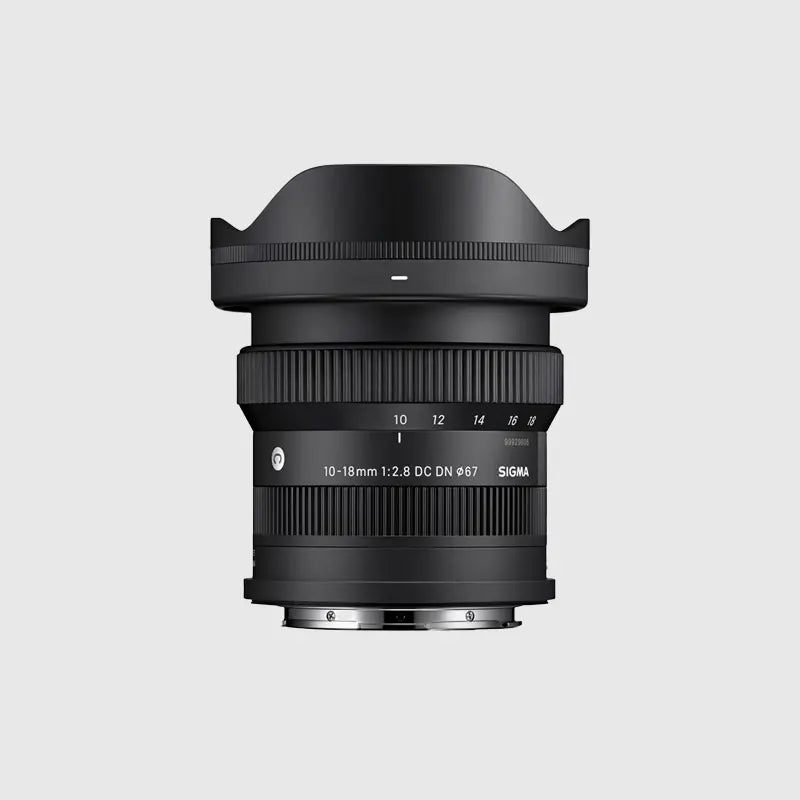
Filters come in various diameters to match your lens thread size (e.g. 58mm, 67mm, 77mm). Check your lens barrel or cap for the “Ø” symbol followed by a number. You can also use step-up rings to adapt larger filters to smaller lenses.
Final Thoughts
Lens filters are more than just protective covers—they're creative tools that can help you achieve the image you see in your mind’s eye. Whether you're cutting glare with a CPL, slowing time with an ND, or creating surreal visuals with IR, filters give you in-camera control that editing software can’t always replicate.
If you’re building your collection, start with a high-quality UV, a circular polariser, and a variable ND—then explore more niche filters as your style develops.