Popular Brands






Authentic Film Photography
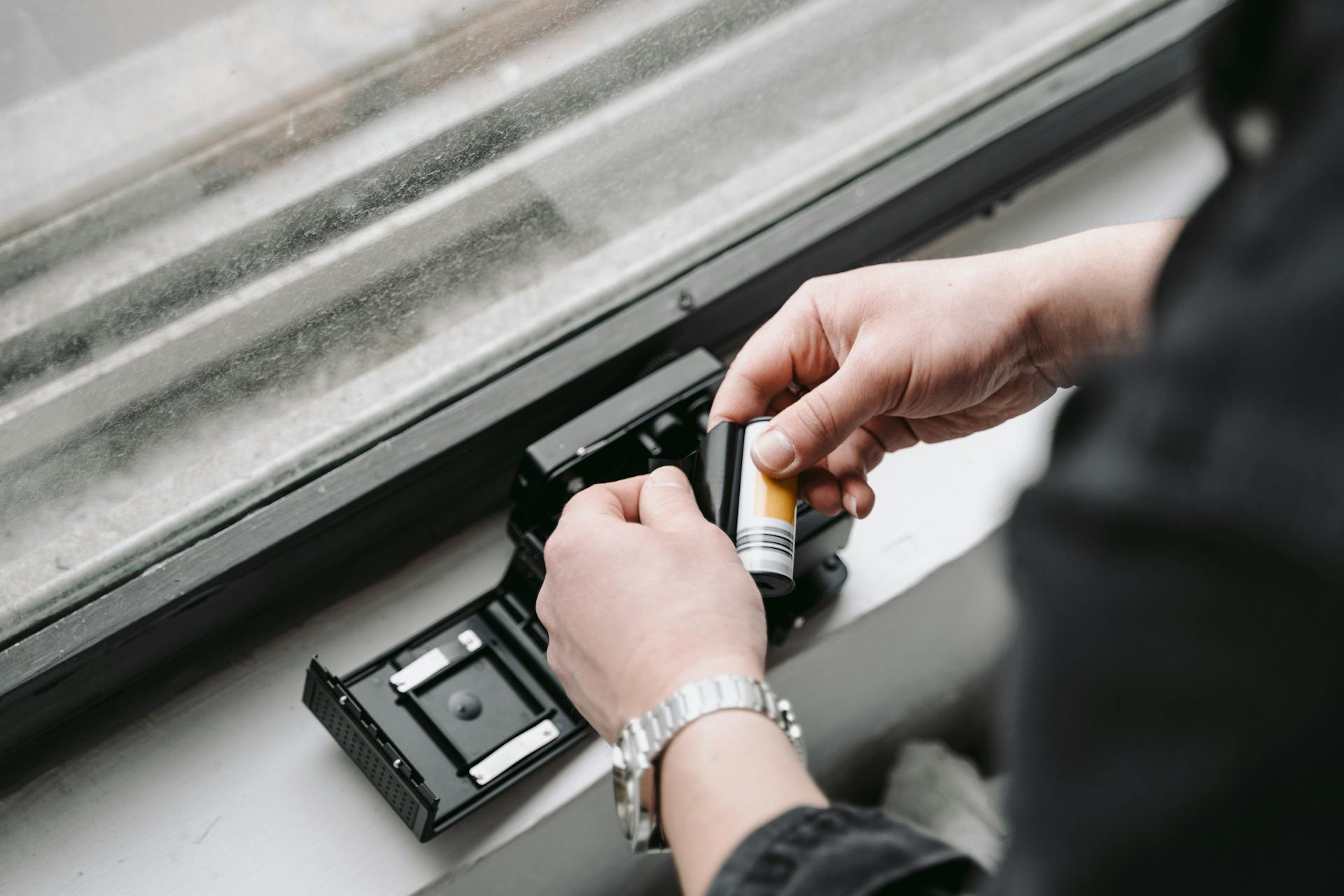
Film photography is more than just a medium—it’s an immersive and creative experience. Whether you’re drawn to its tangible feel, organic grain, or nostalgic charm, film offers a unique way to capture the world around you.
Shop All Camera Film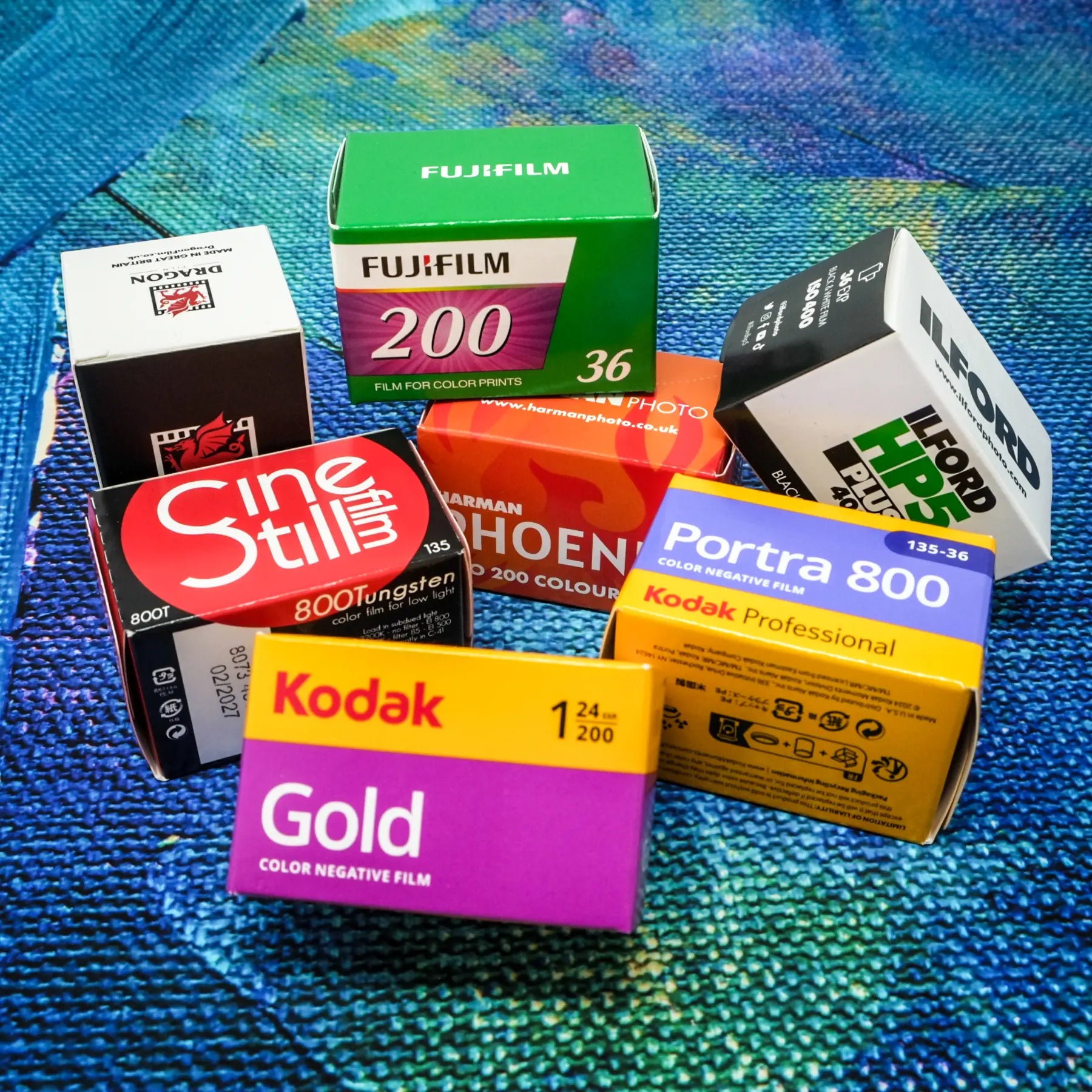
135 / 35mm Film – The Iconic Format
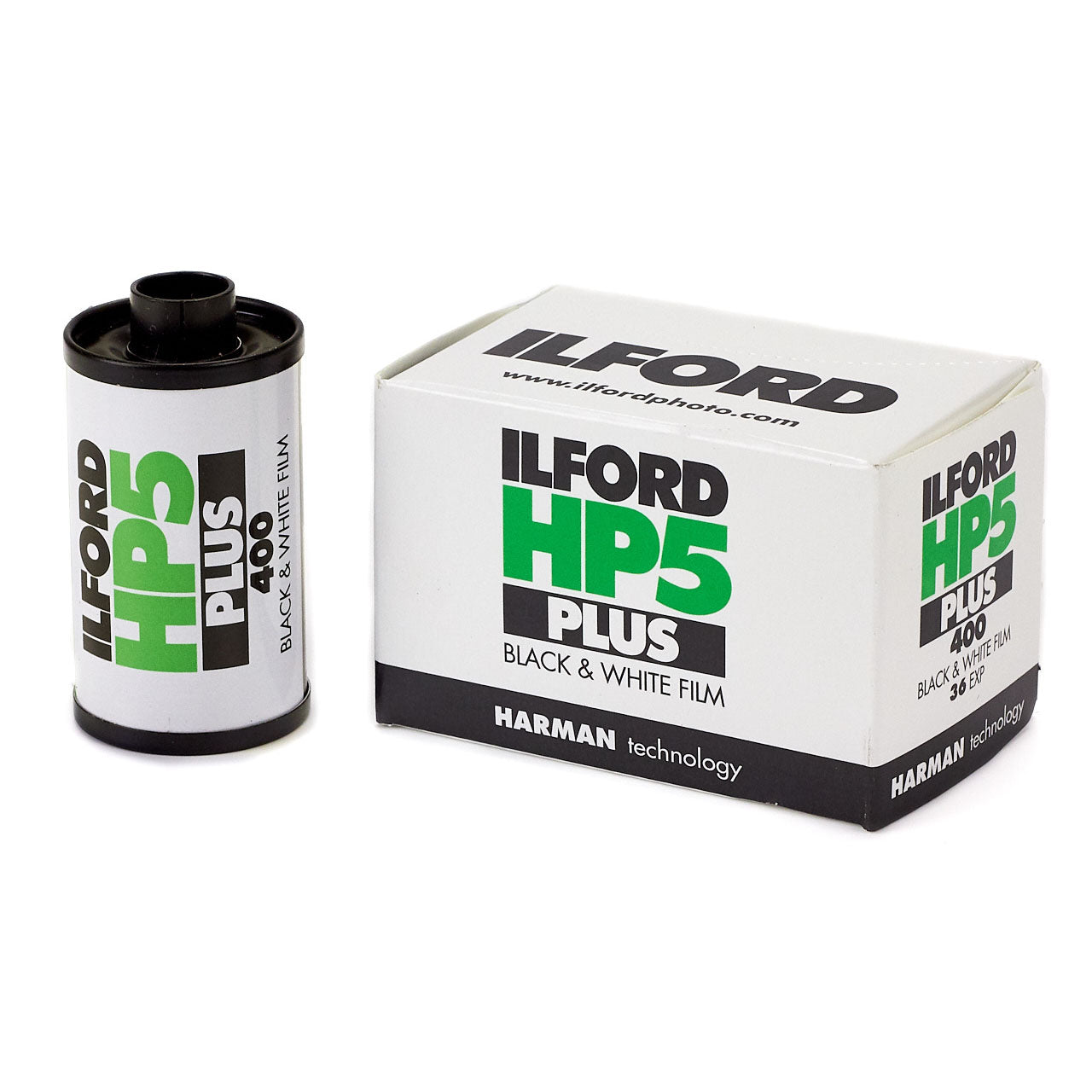
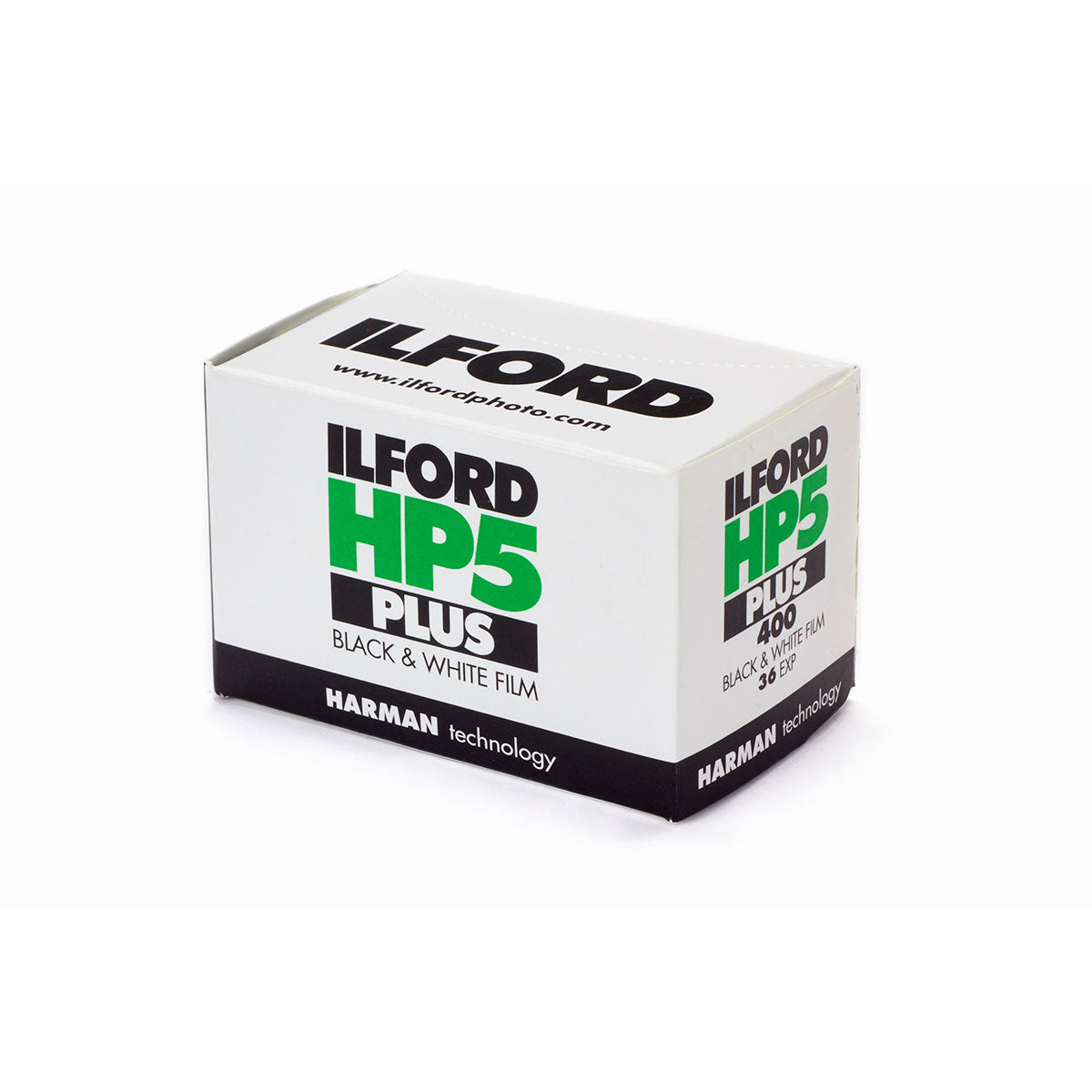
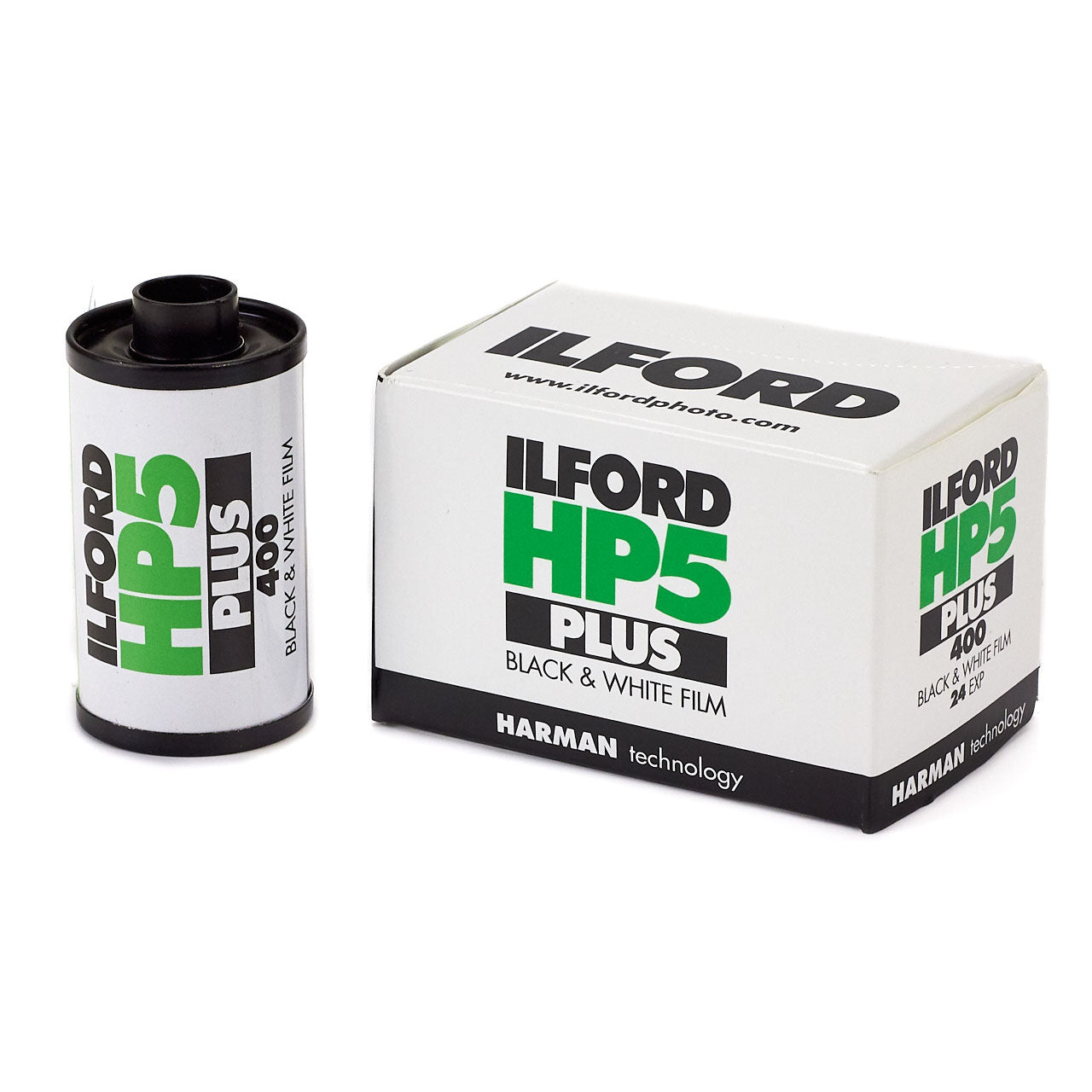
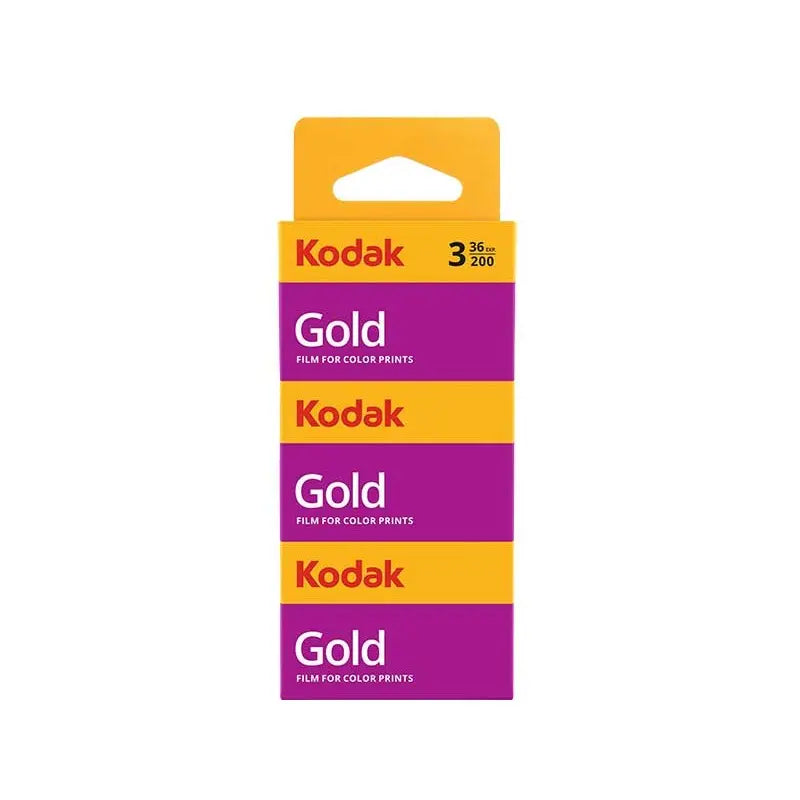
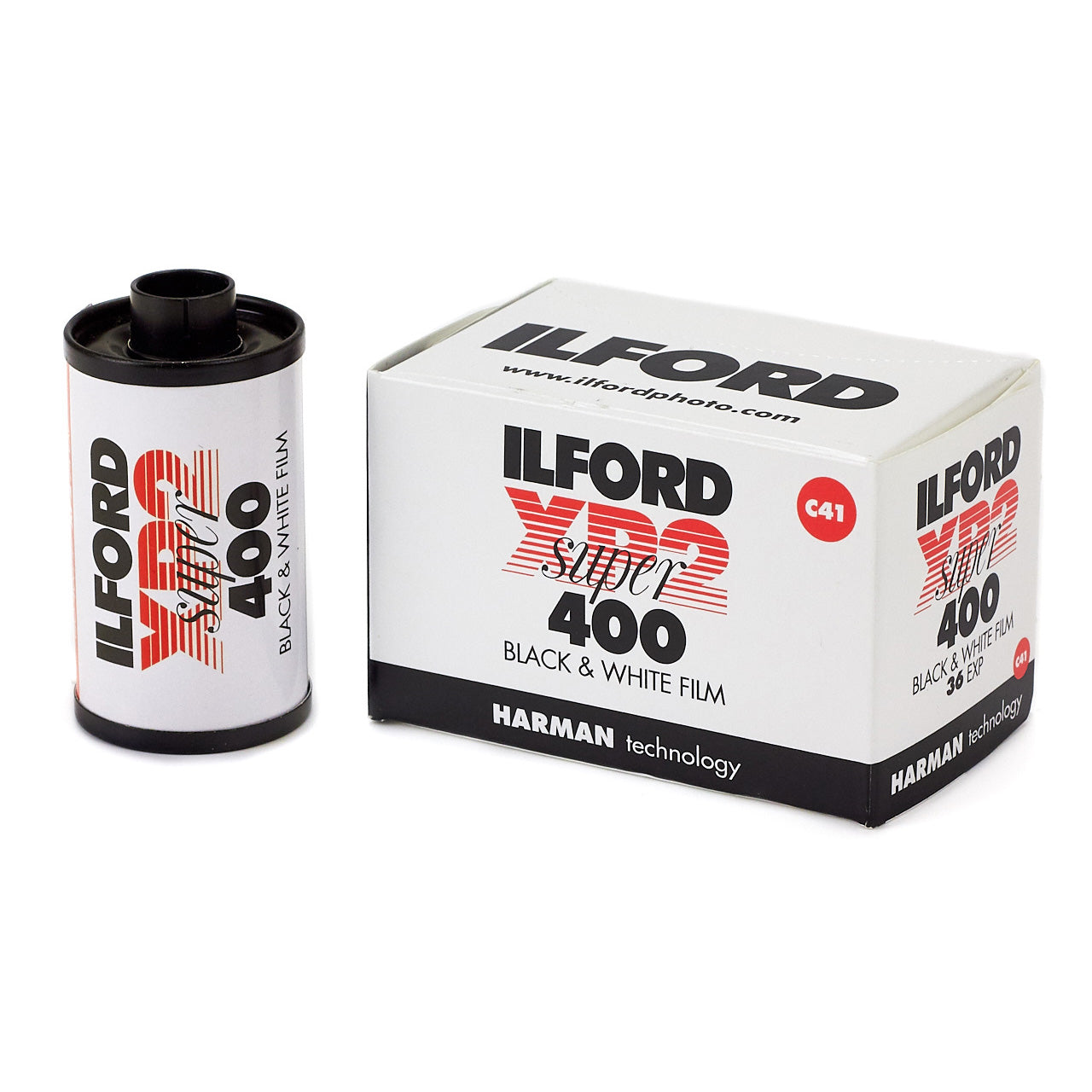
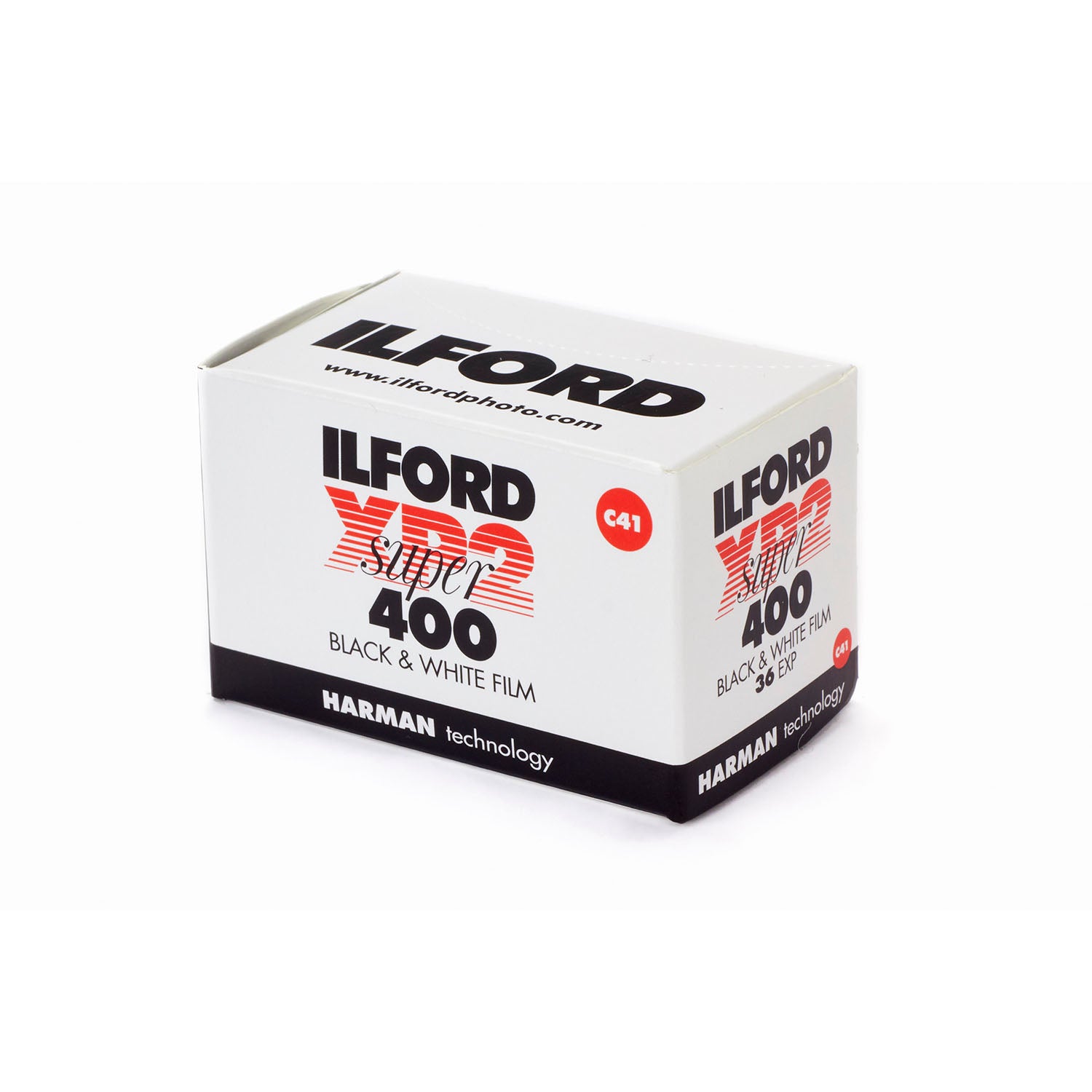
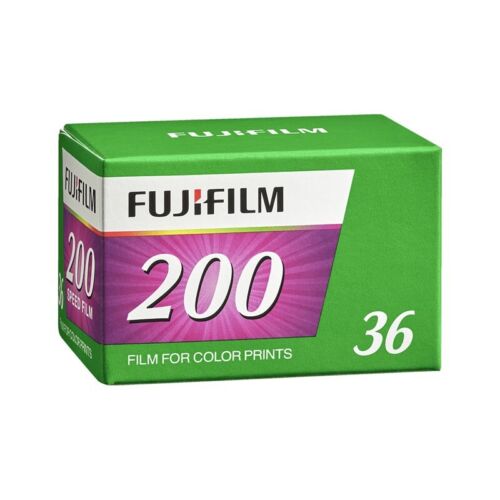
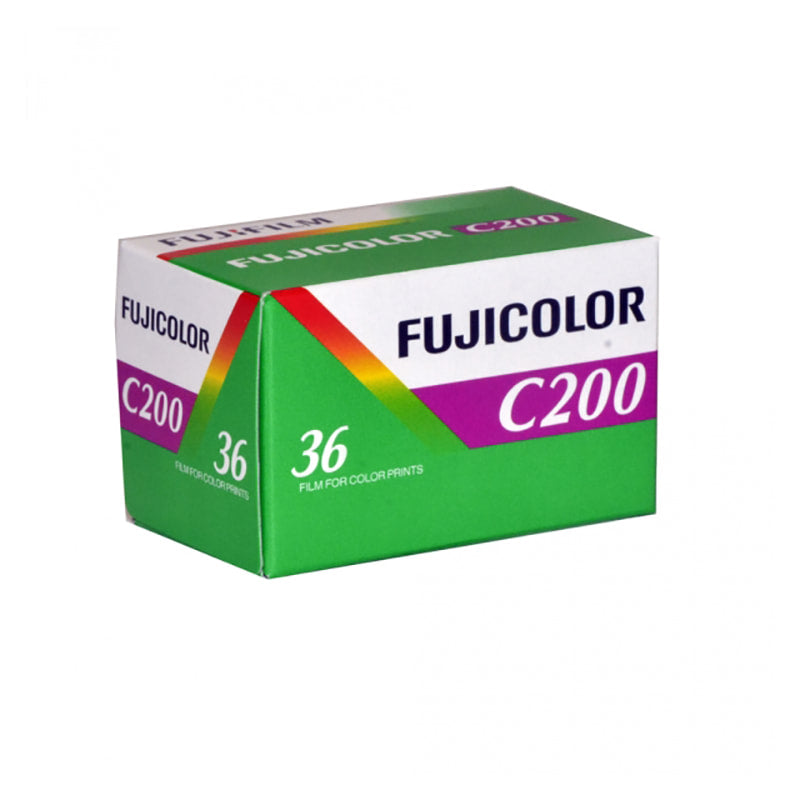
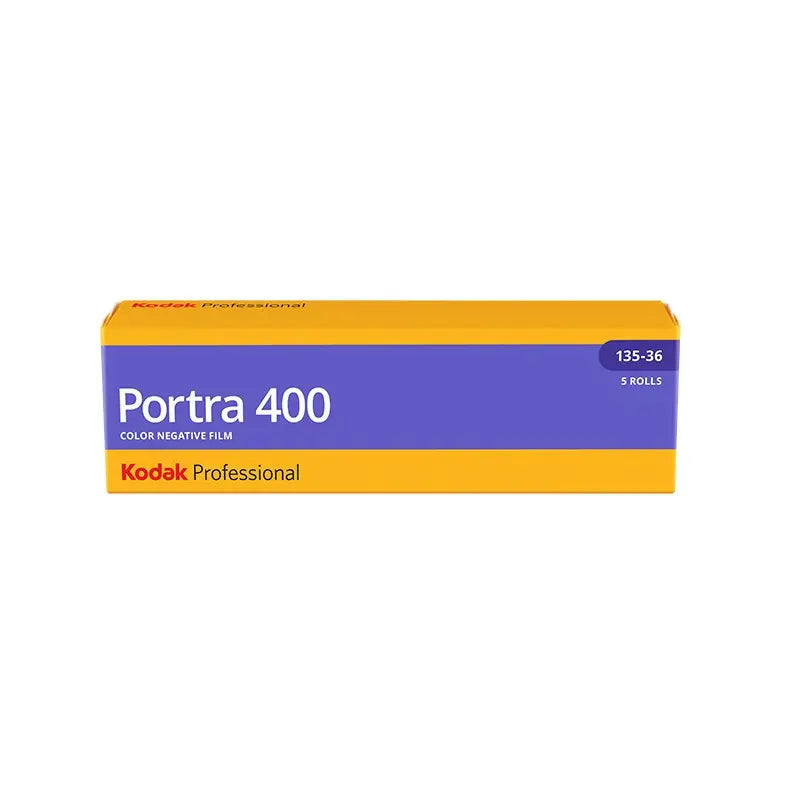
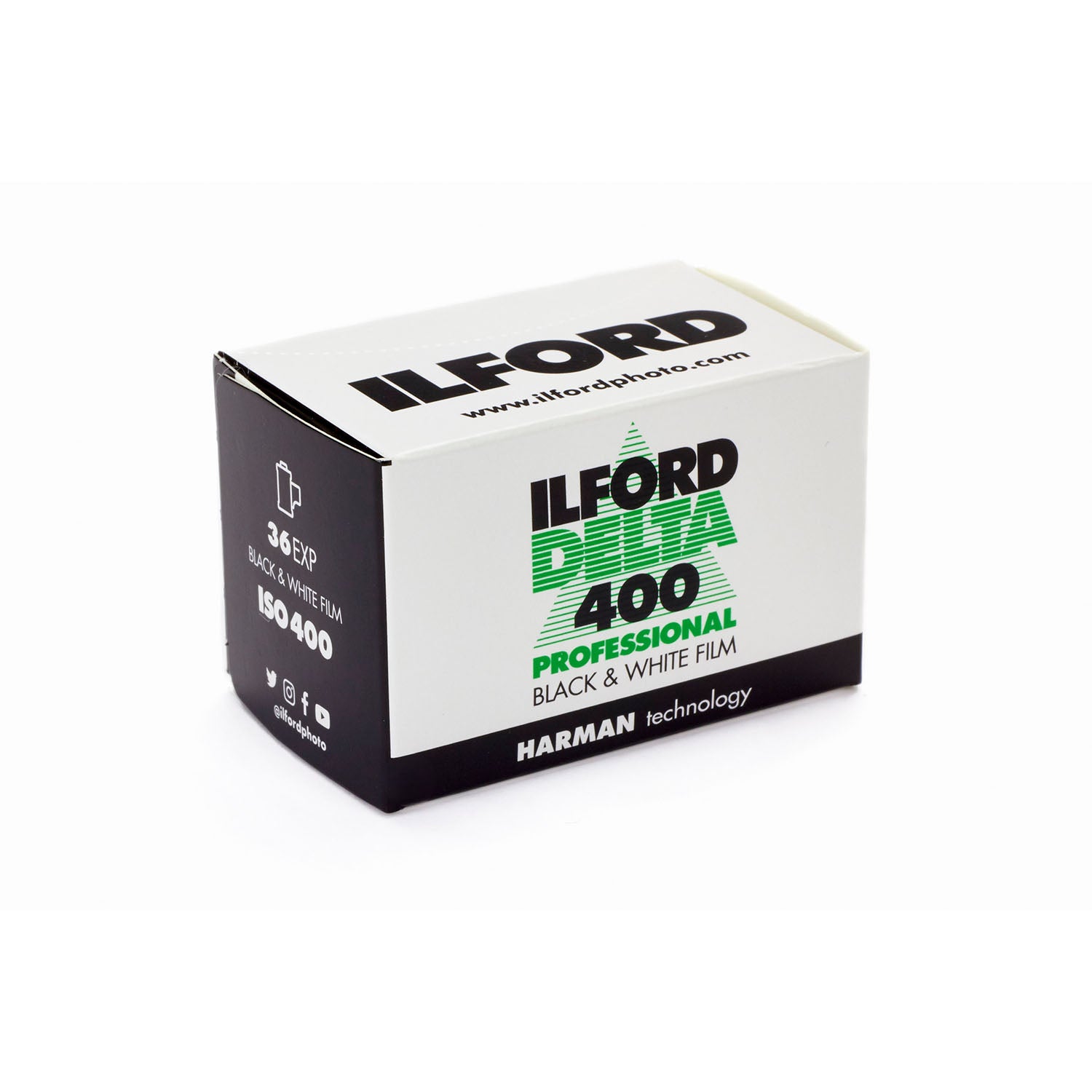
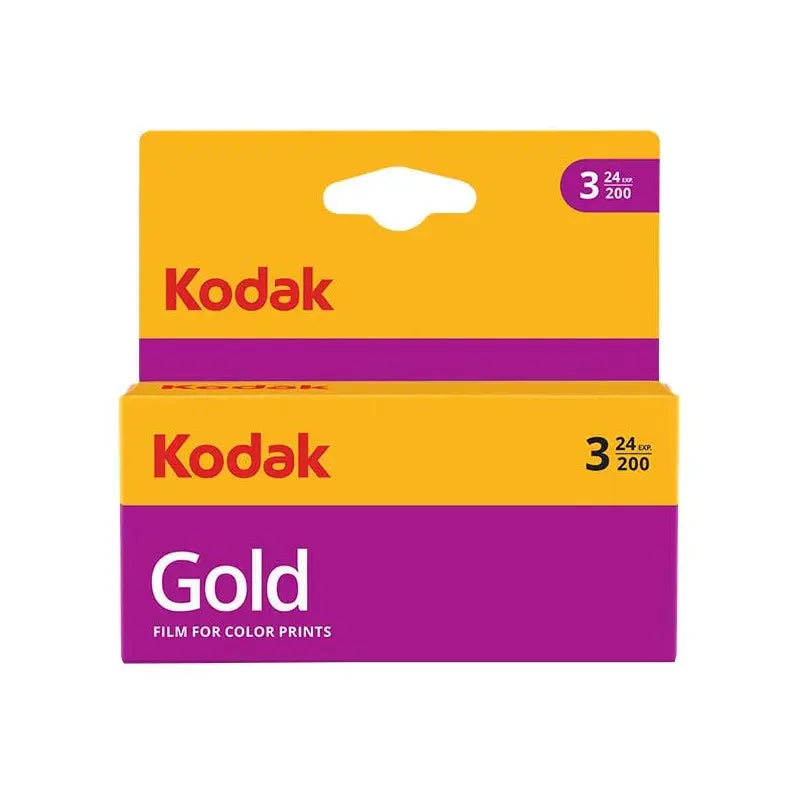
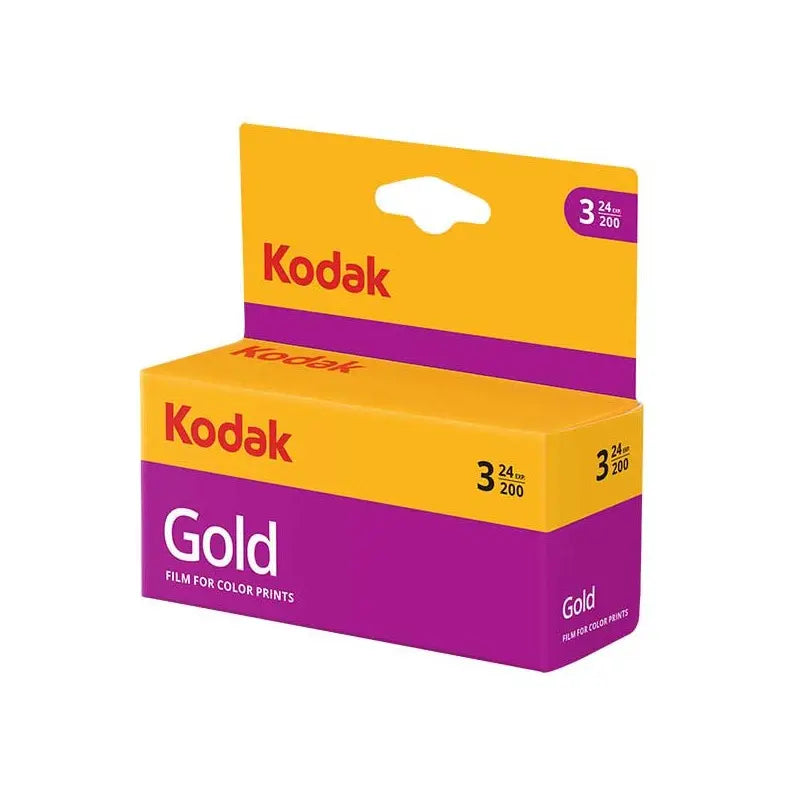
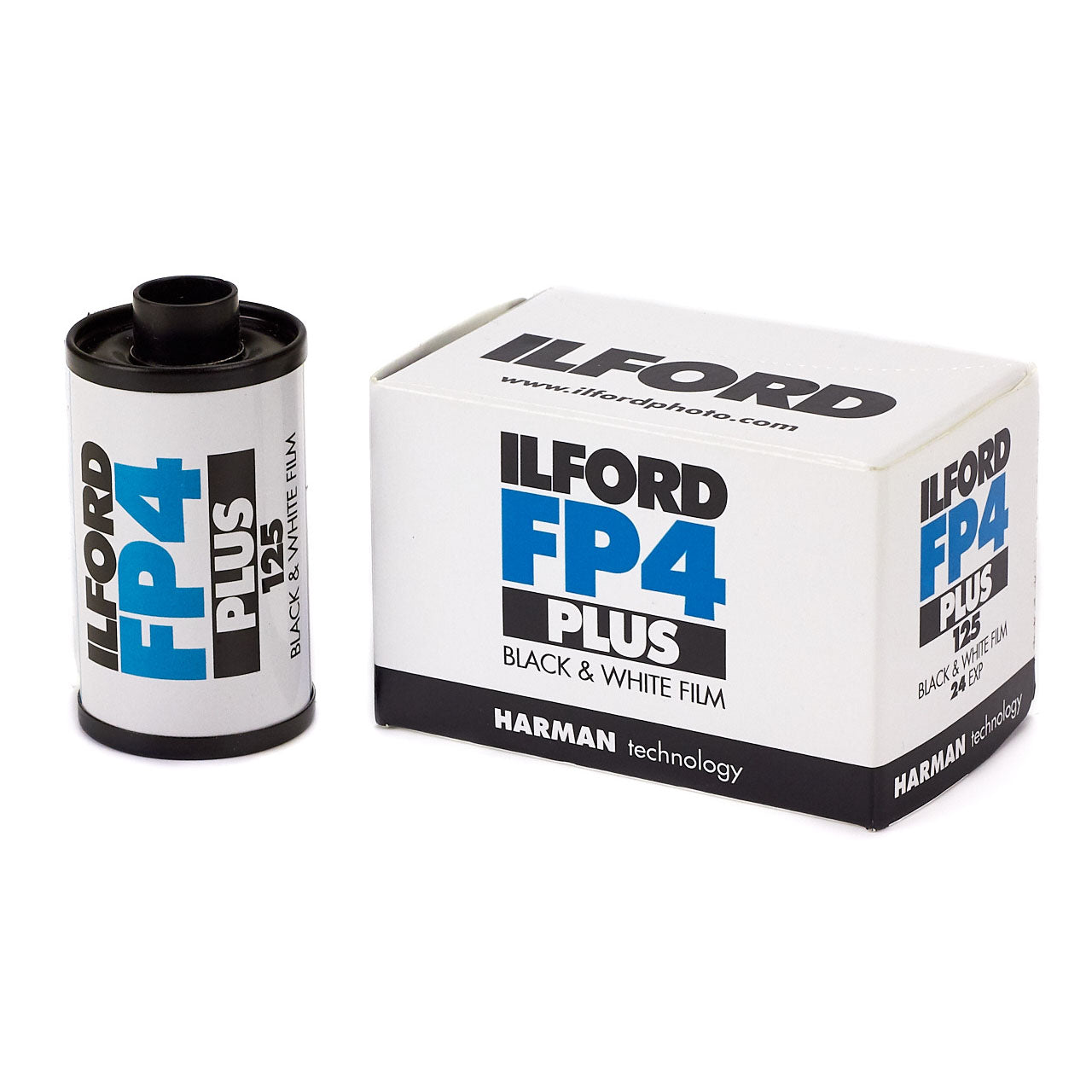
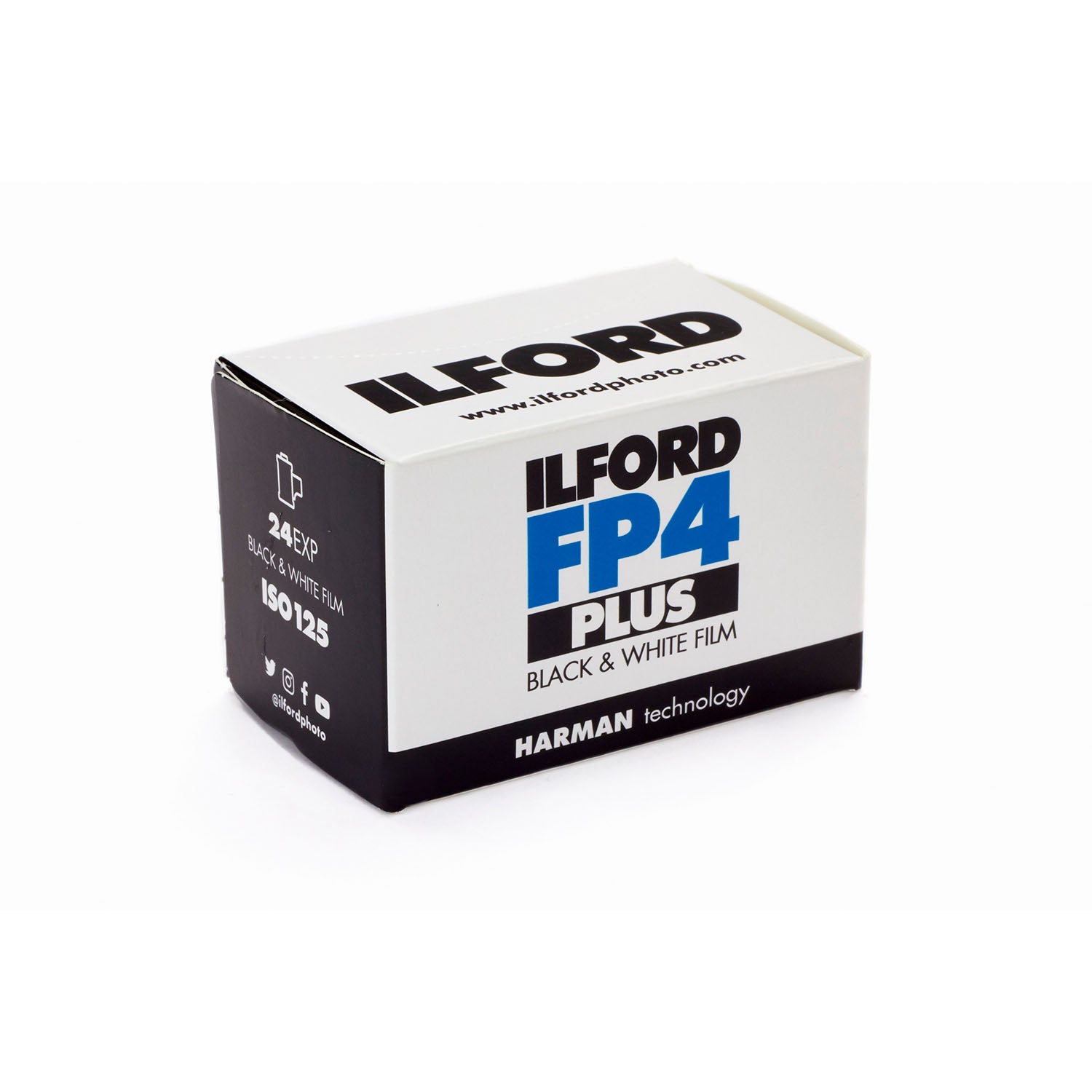
Loved by professionals and beginners alike, 35mm film is the go-to format for everyday photography. Available in both colour and black & white, 35mm film offers a balance of convenience, versatility, and high-quality results. Whether you’re capturing street photography, portraits, or landscapes, this format delivers natural grain, sharp details, and rich tones.
Available in colour negative, black & white, and slide film
Choose from brands like Kodak, Fujifilm, Ilford, Lomography, and Cinestill
Ideal for film SLR cameras and rangefinders
Shop 35mm FilmPopular 35mm Film

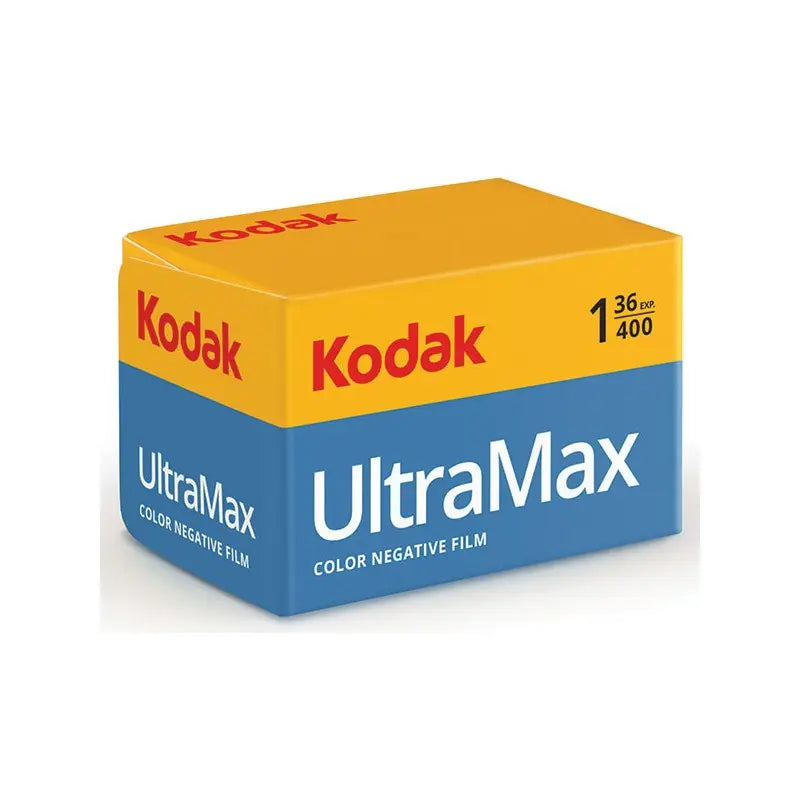
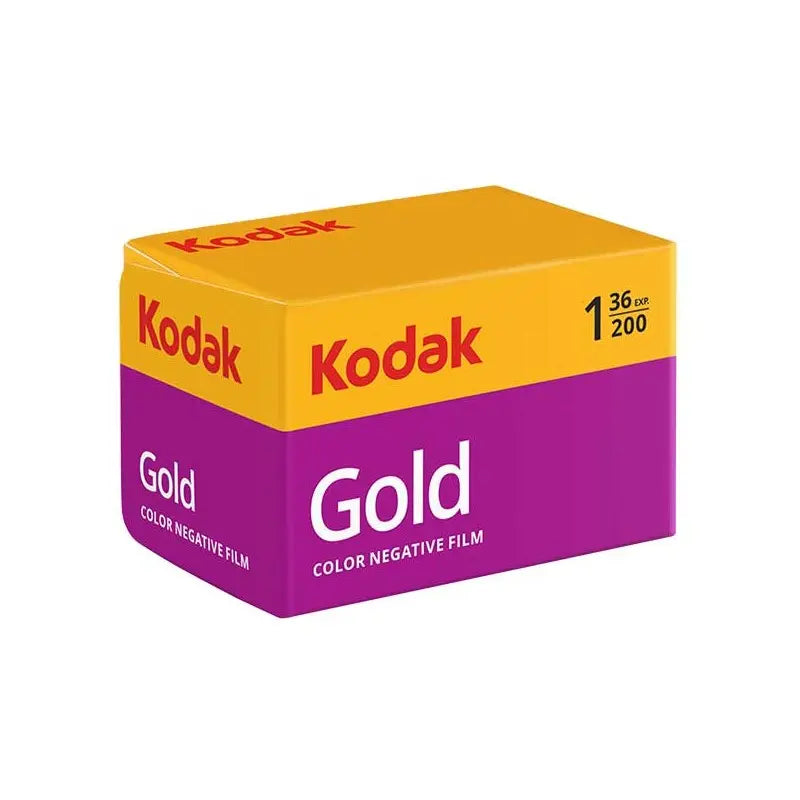


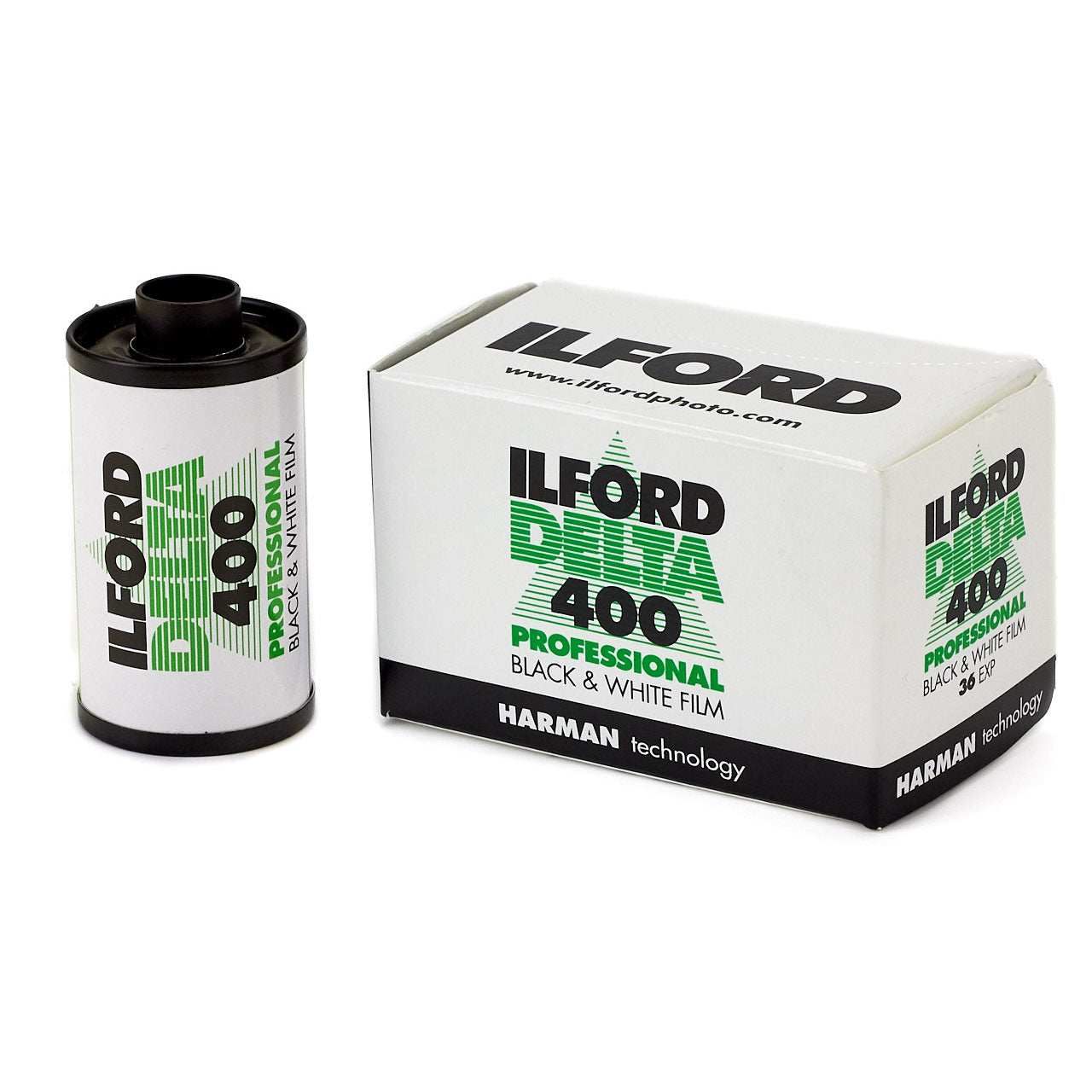
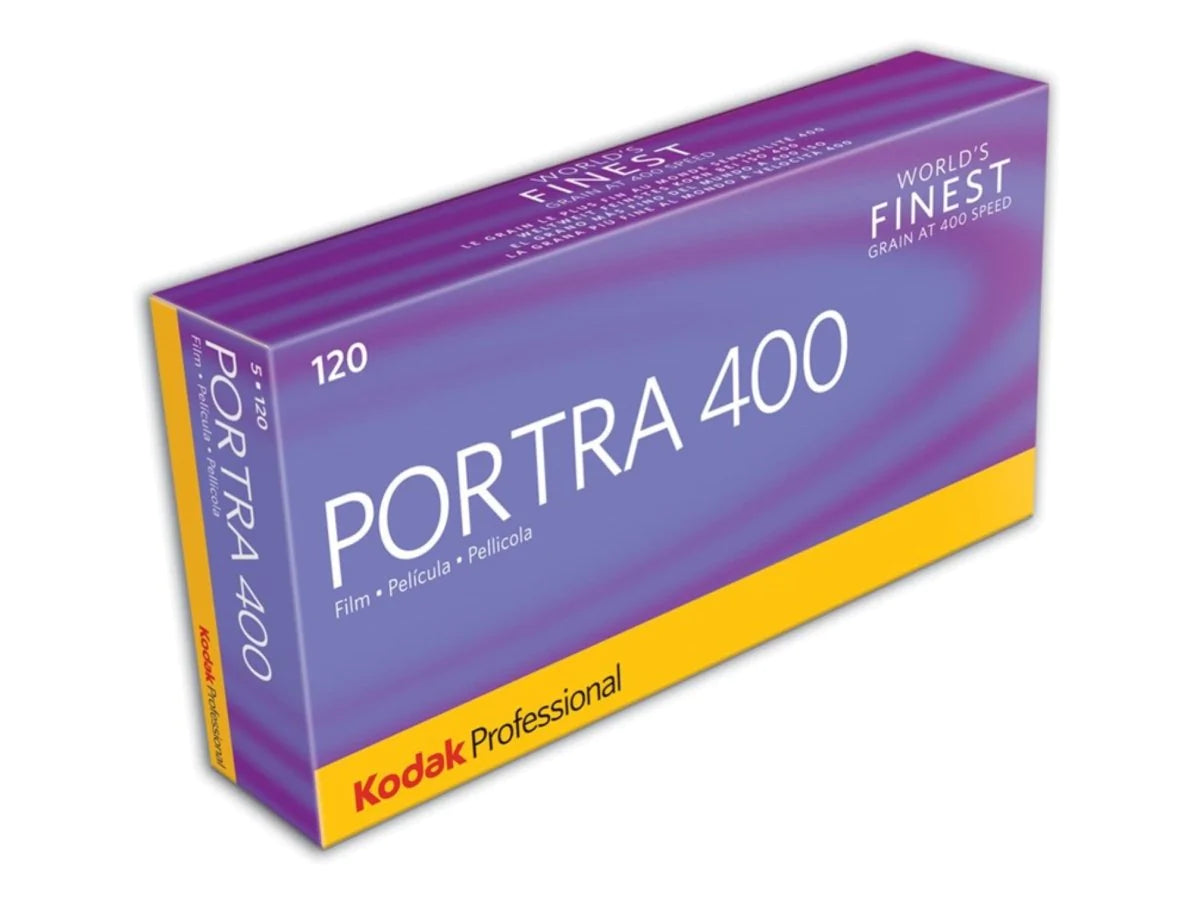
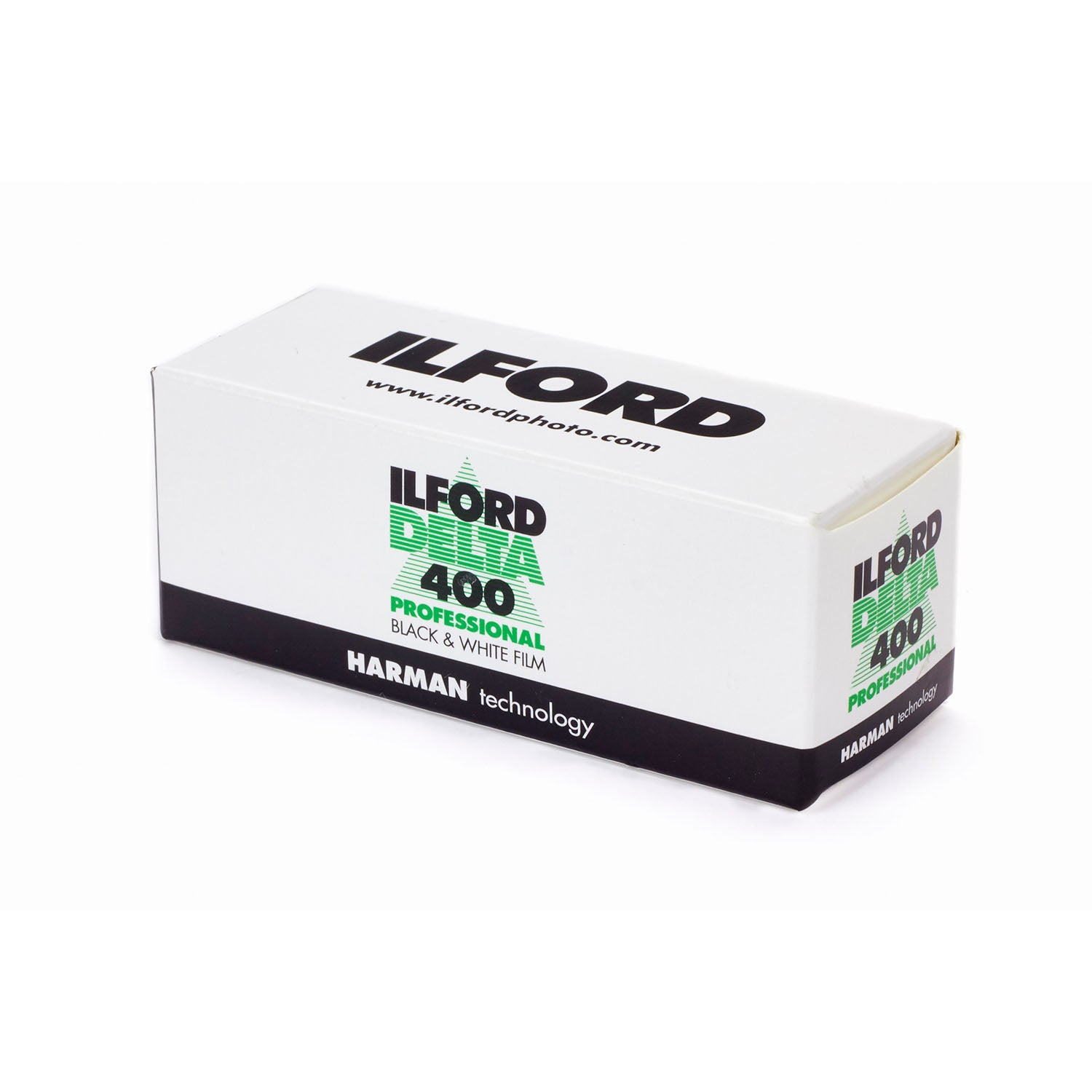
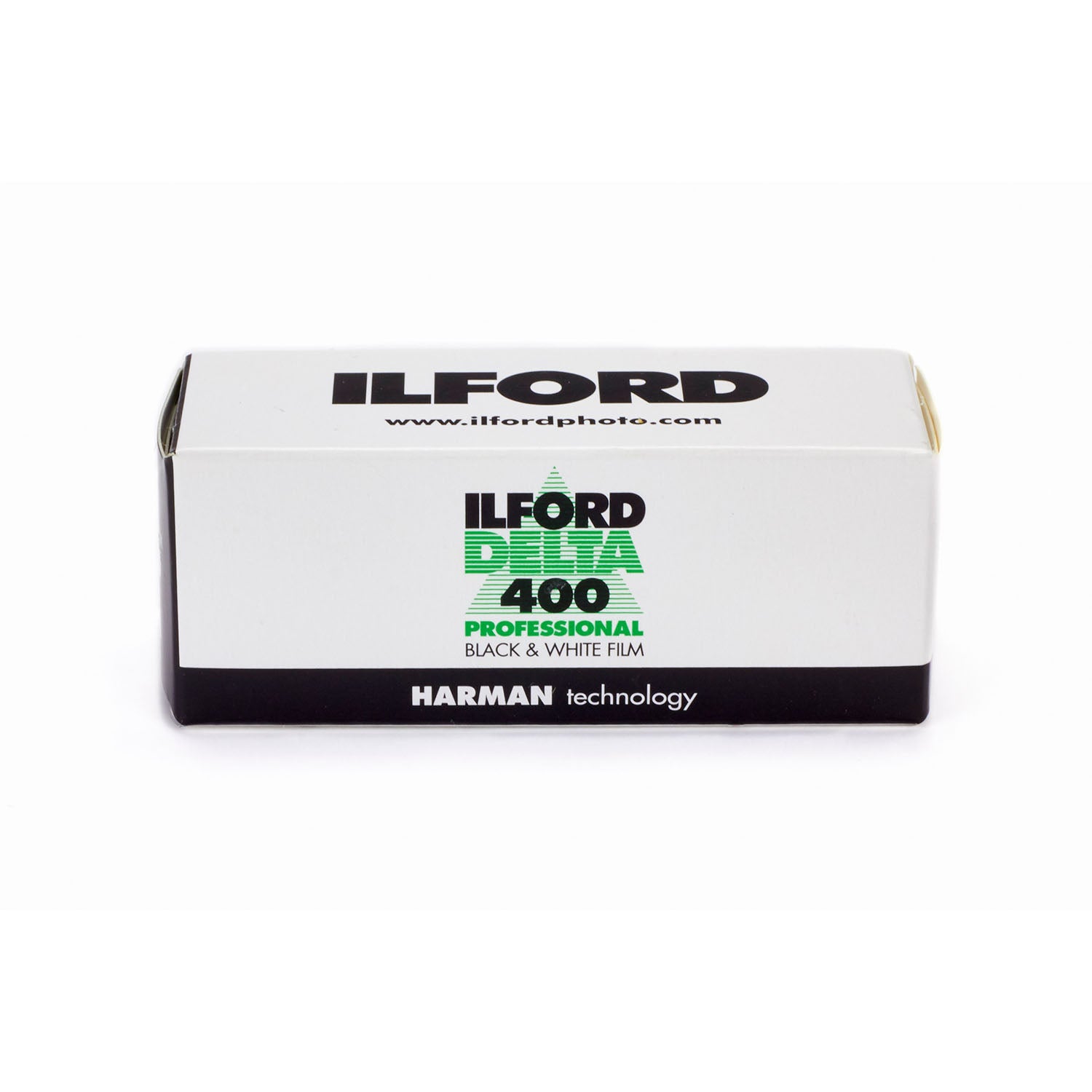
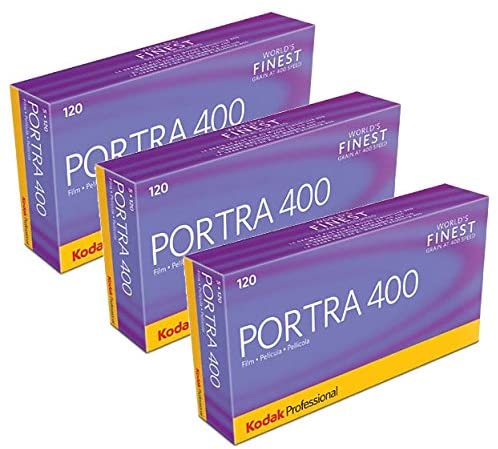
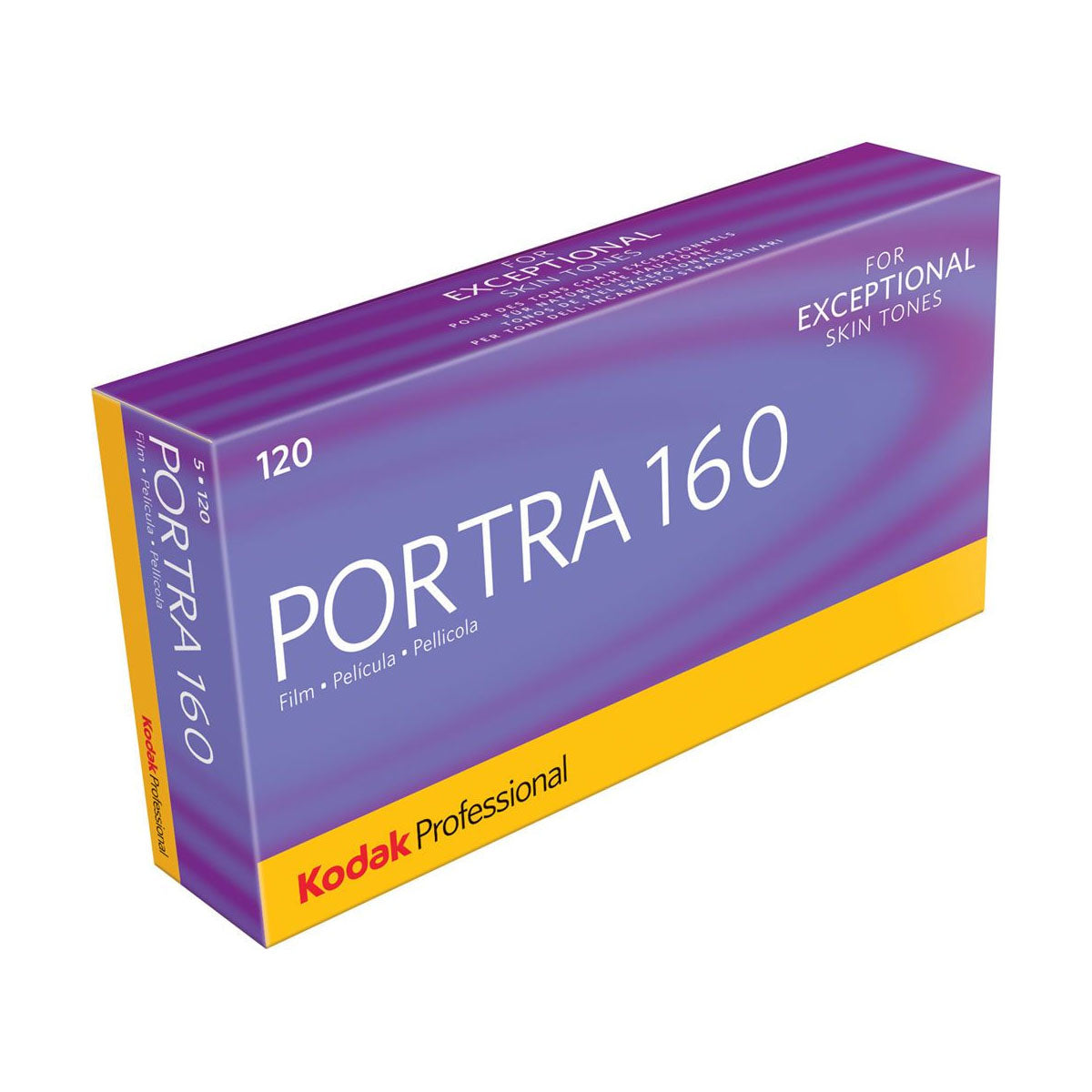
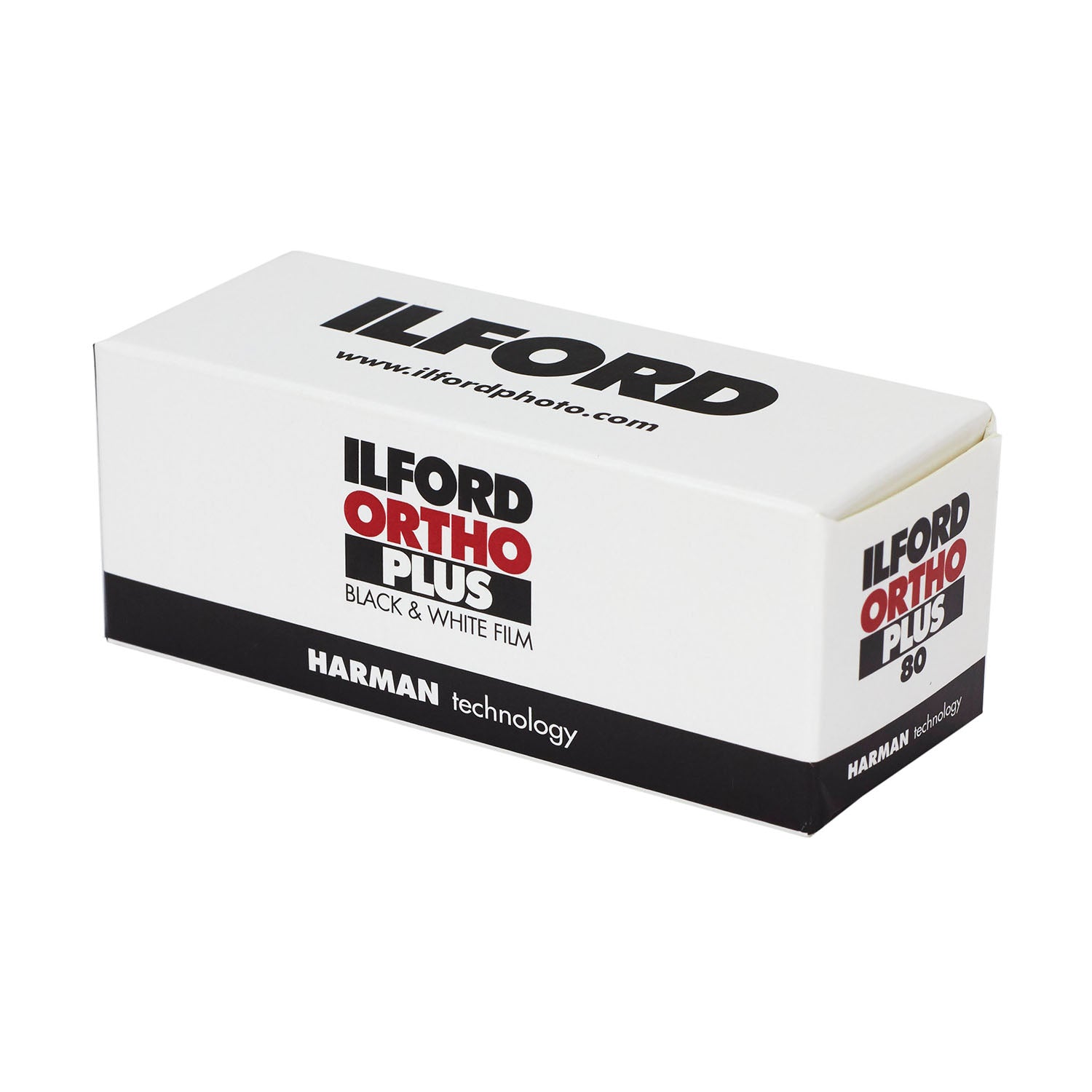
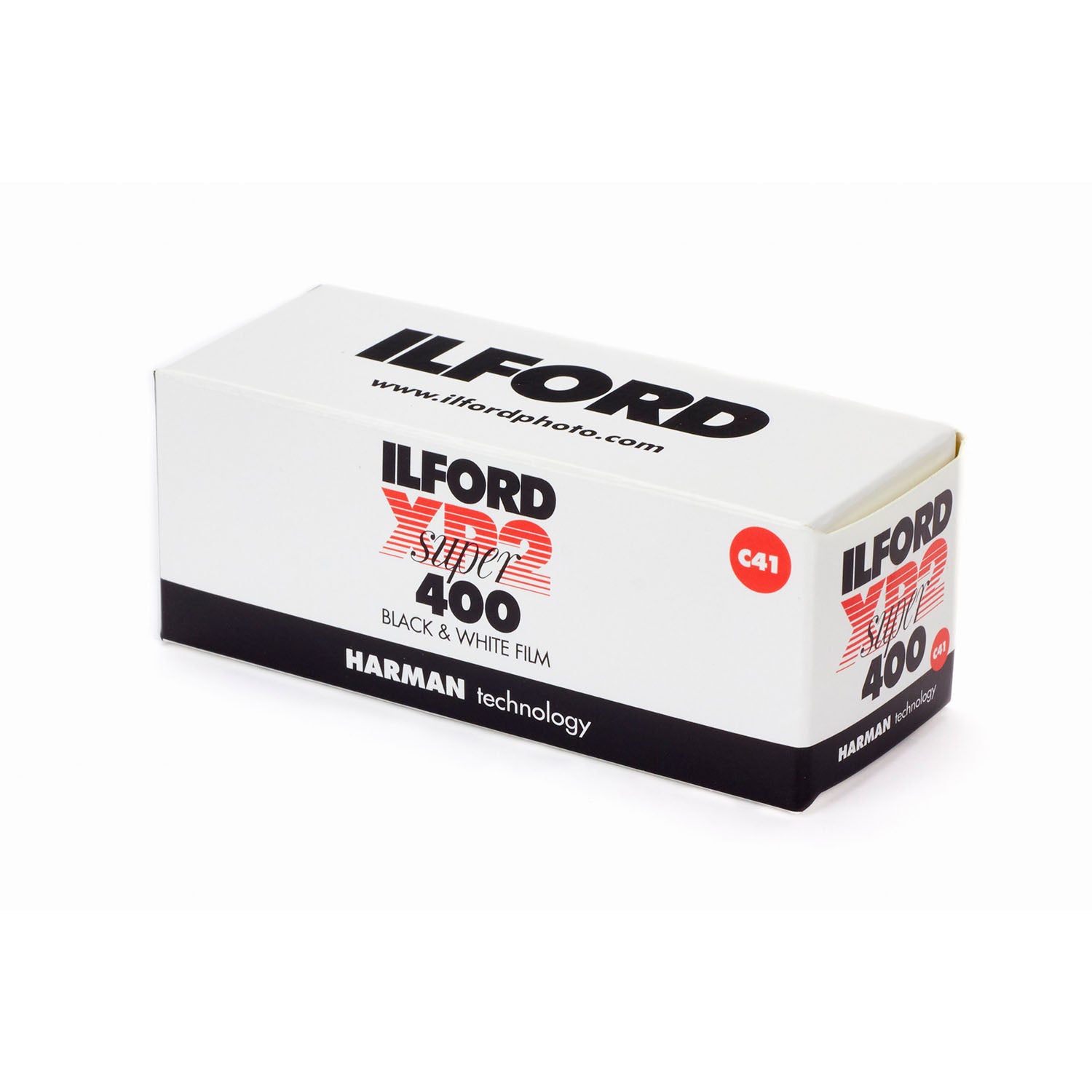
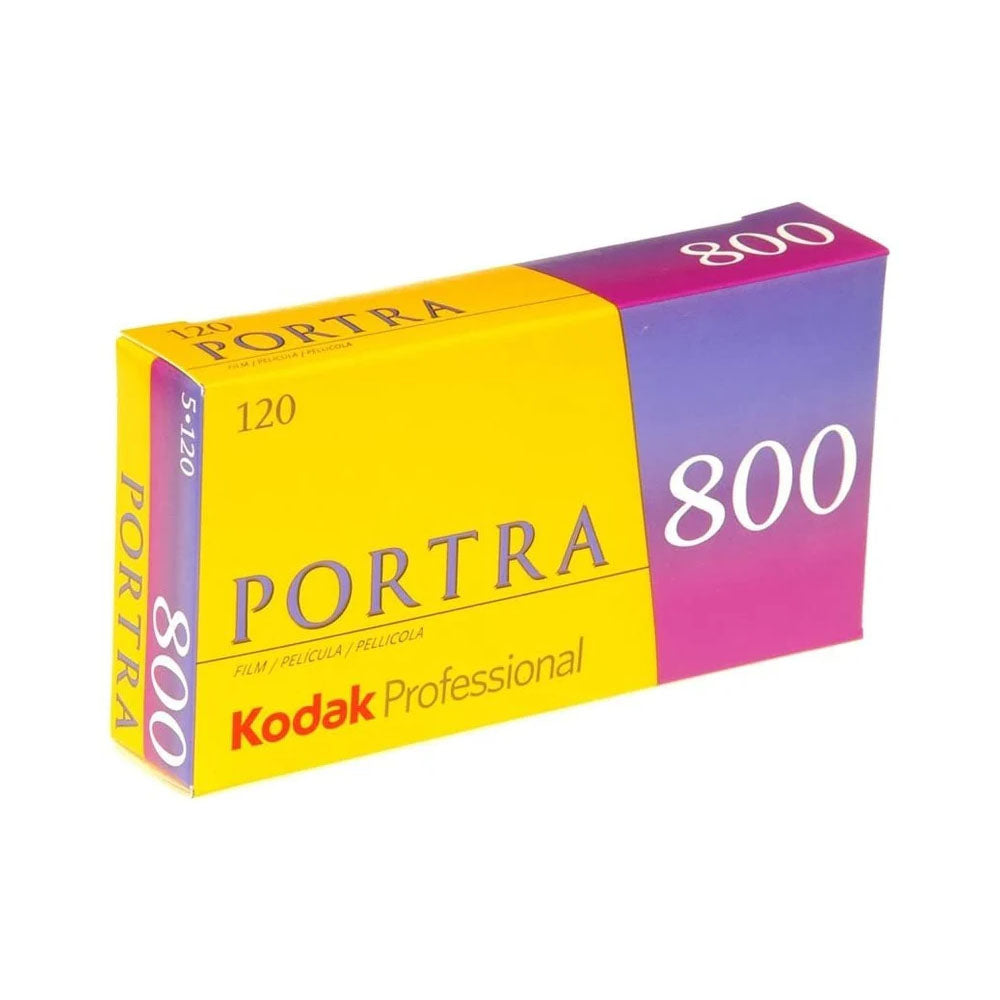
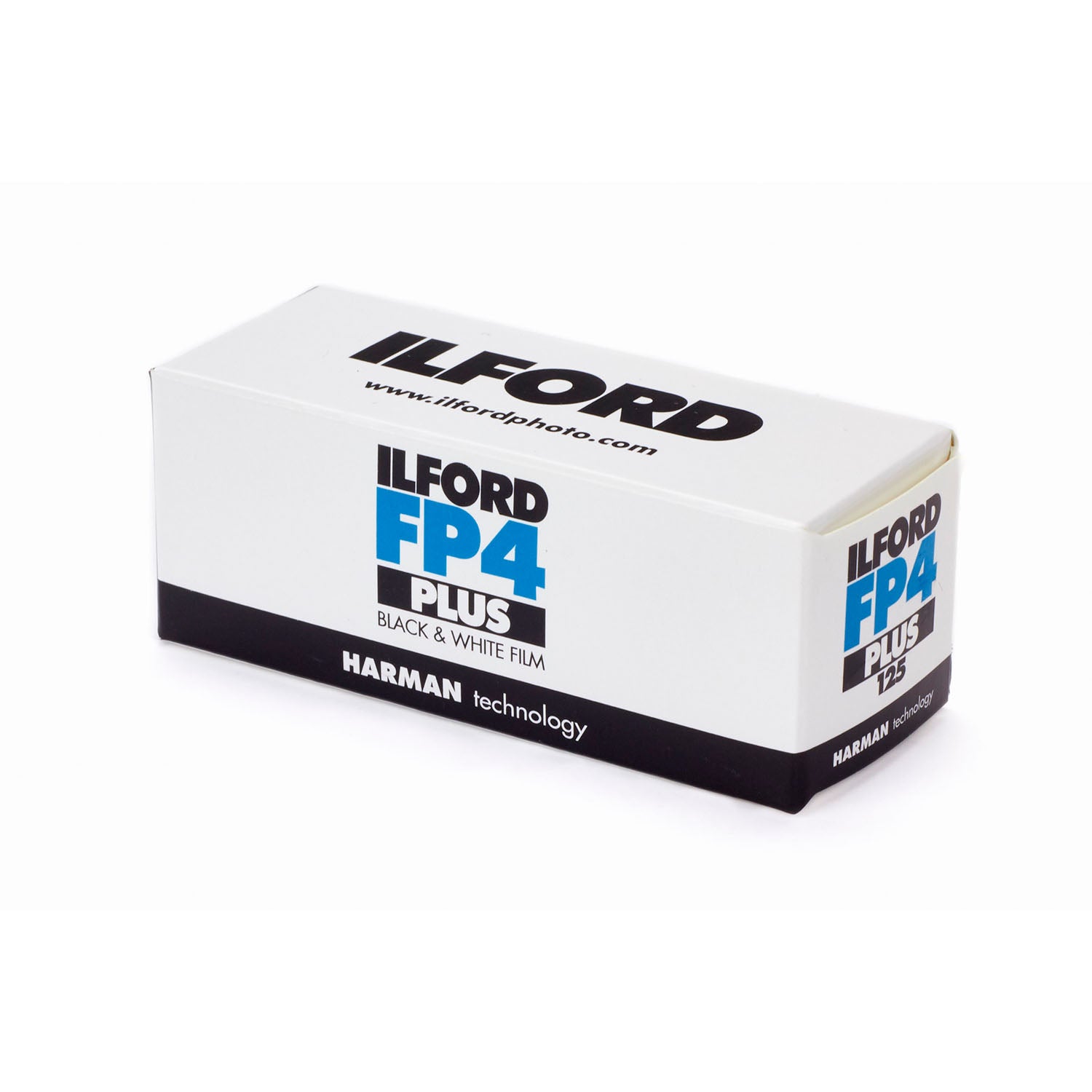
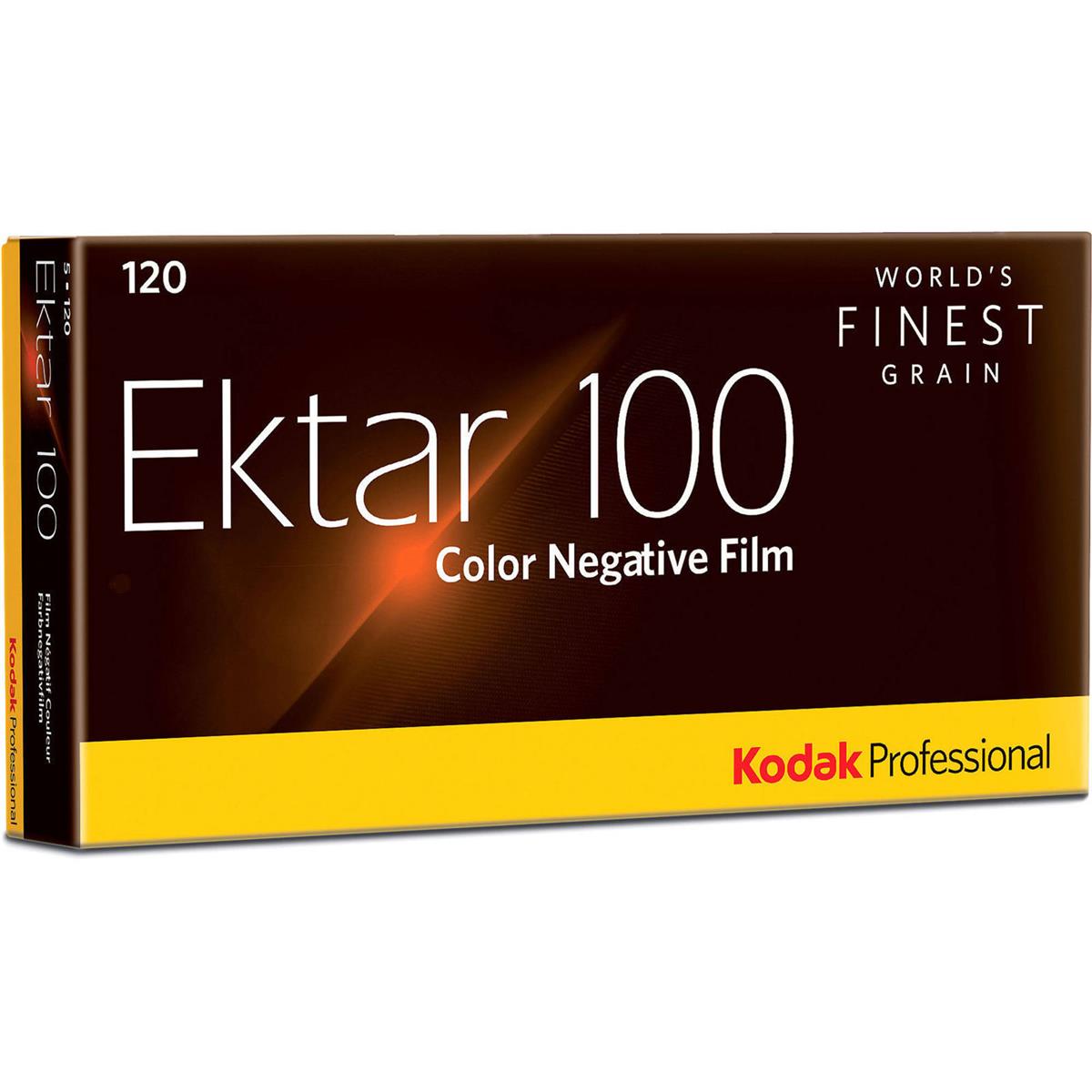
120 Medium Format Film – Unparalleled Detail & Depth
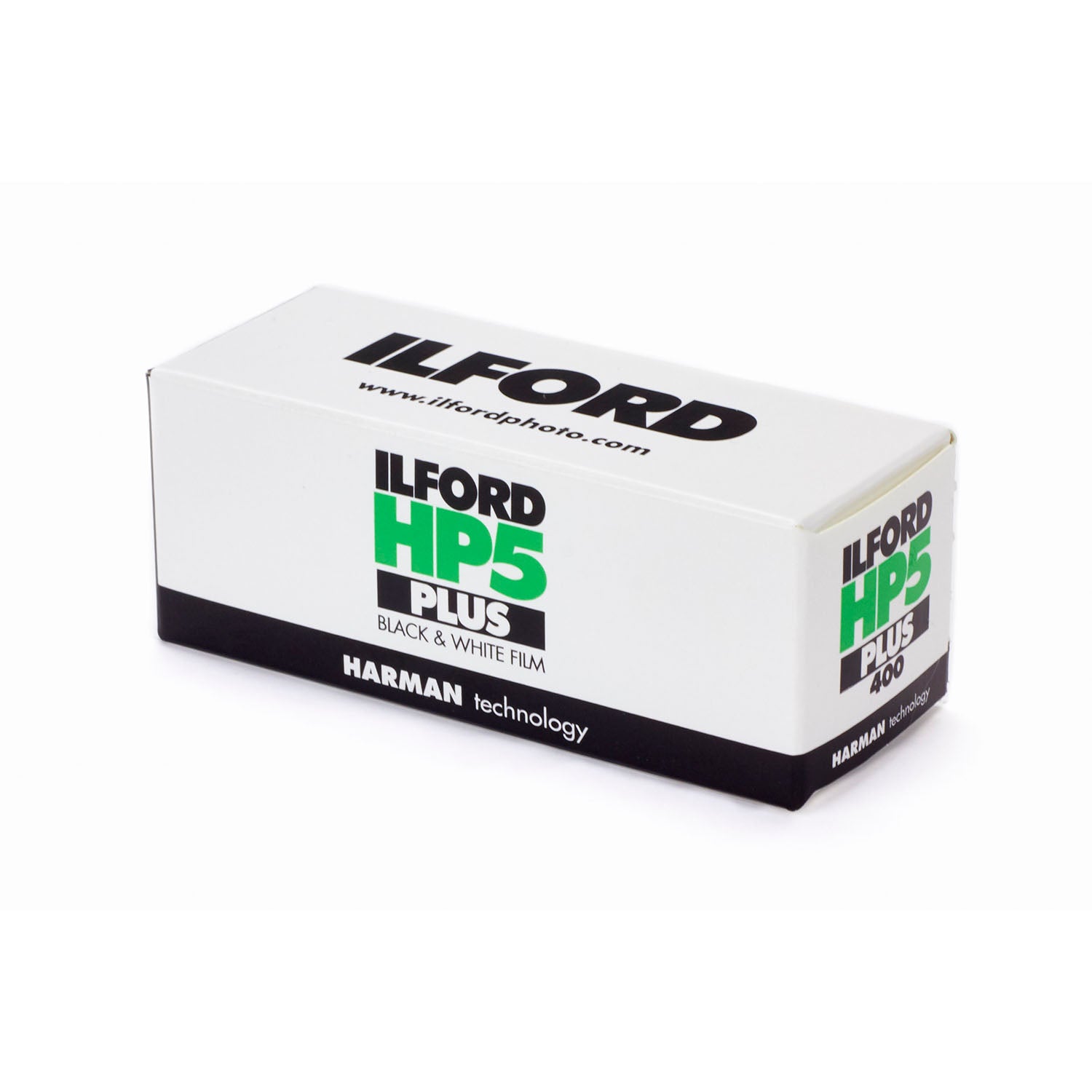
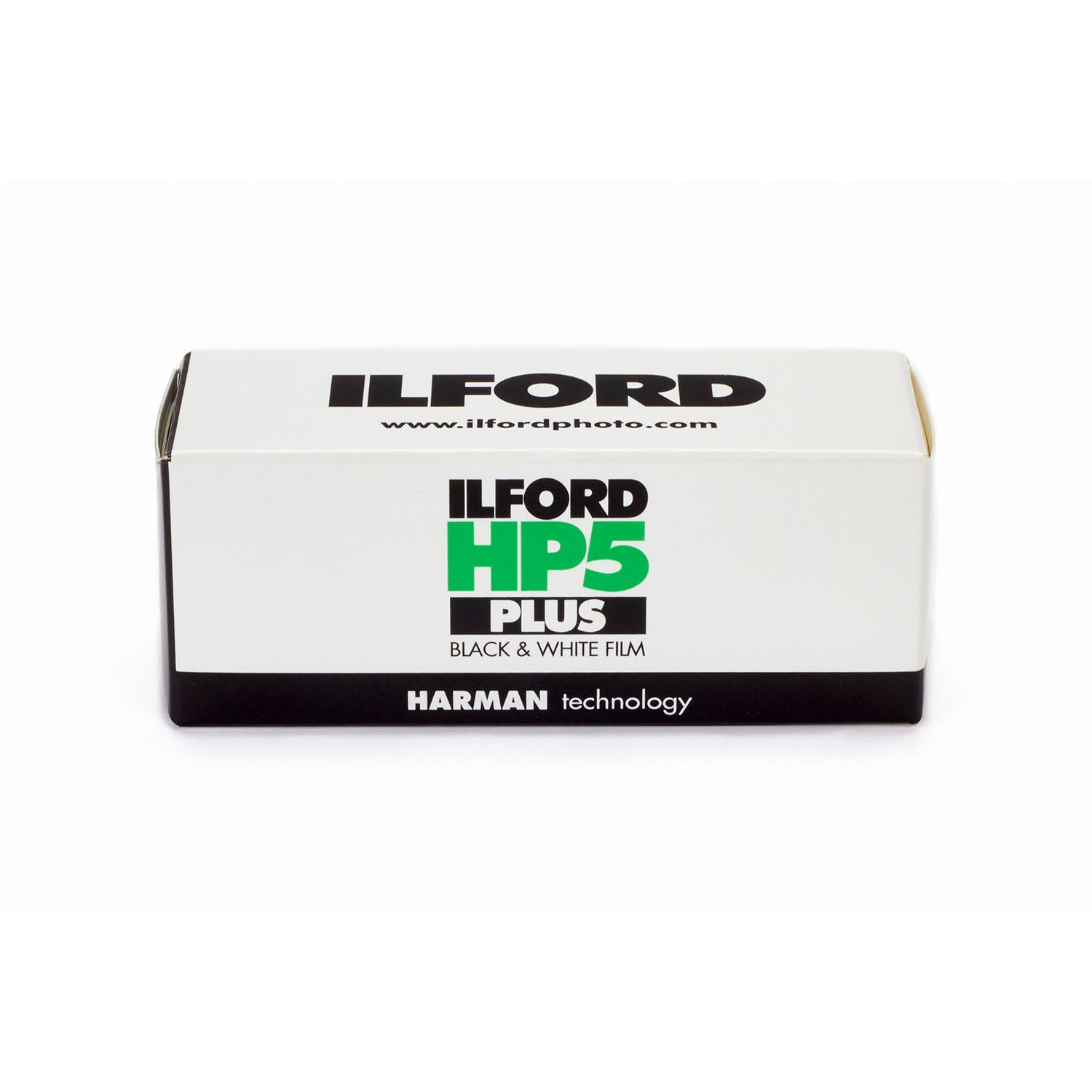
For photographers who seek higher resolution, deeper tones, and outstanding dynamic range, 120 medium format film is the perfect choice. This film is larger than 35mm, meaning it captures more detail and smoother tonal transitions, making it ideal for portrait, landscape, and fine art photography.
Available in colour and black & white
Perfect for medium format cameras like Hasselblad, Mamiya, and Pentax
Offers exceptional sharpness and stunning contrast
Shop 120 Film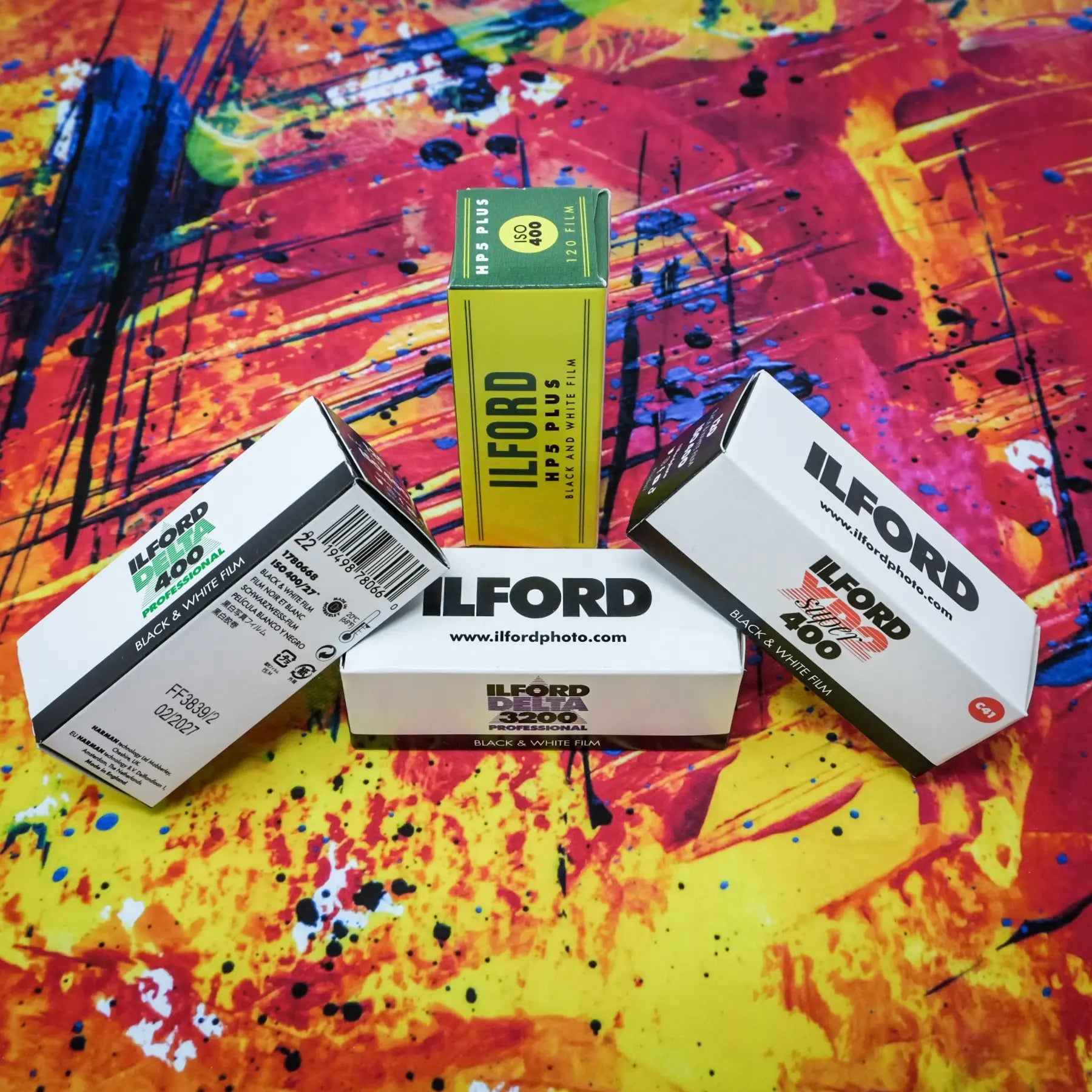
Popular 120 Film
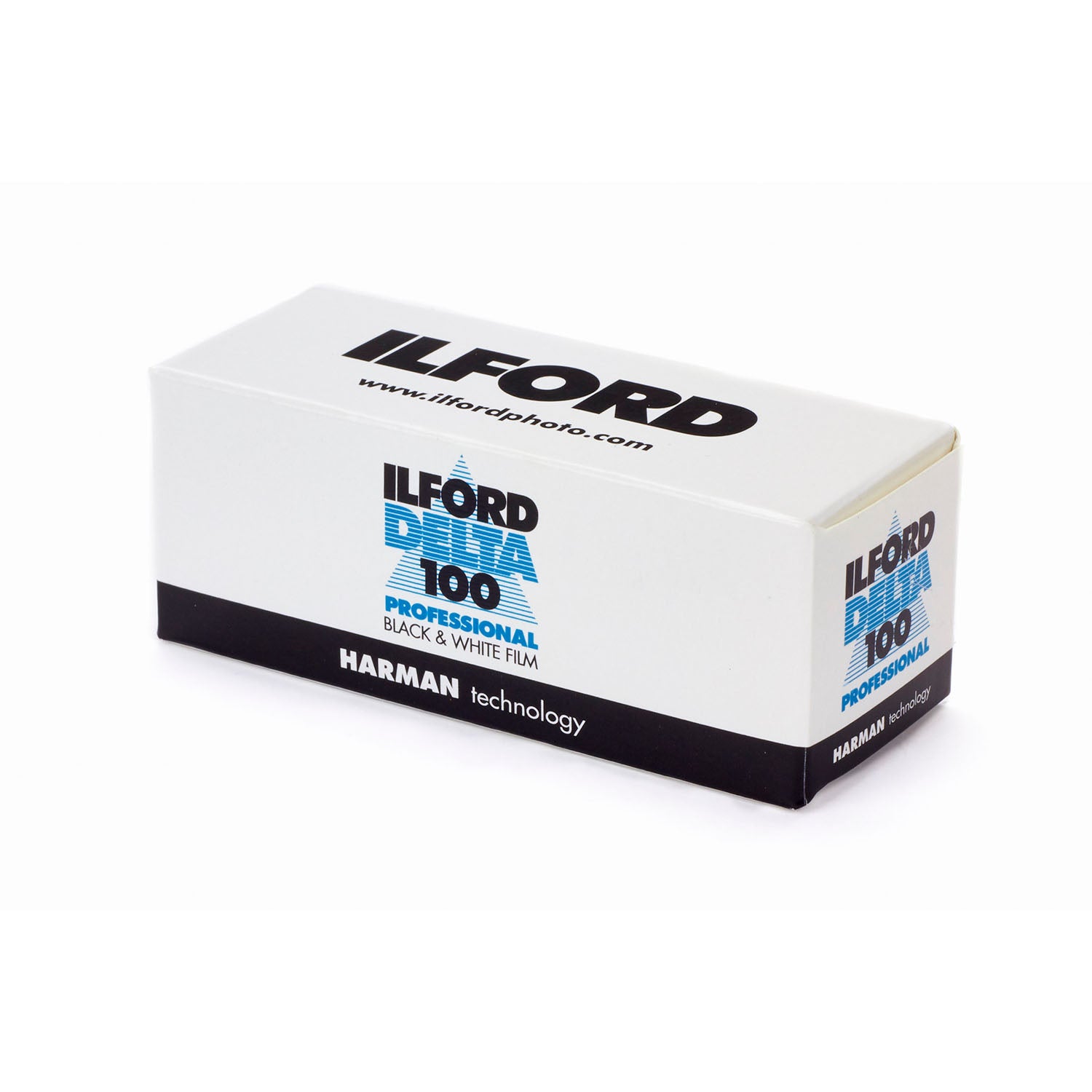
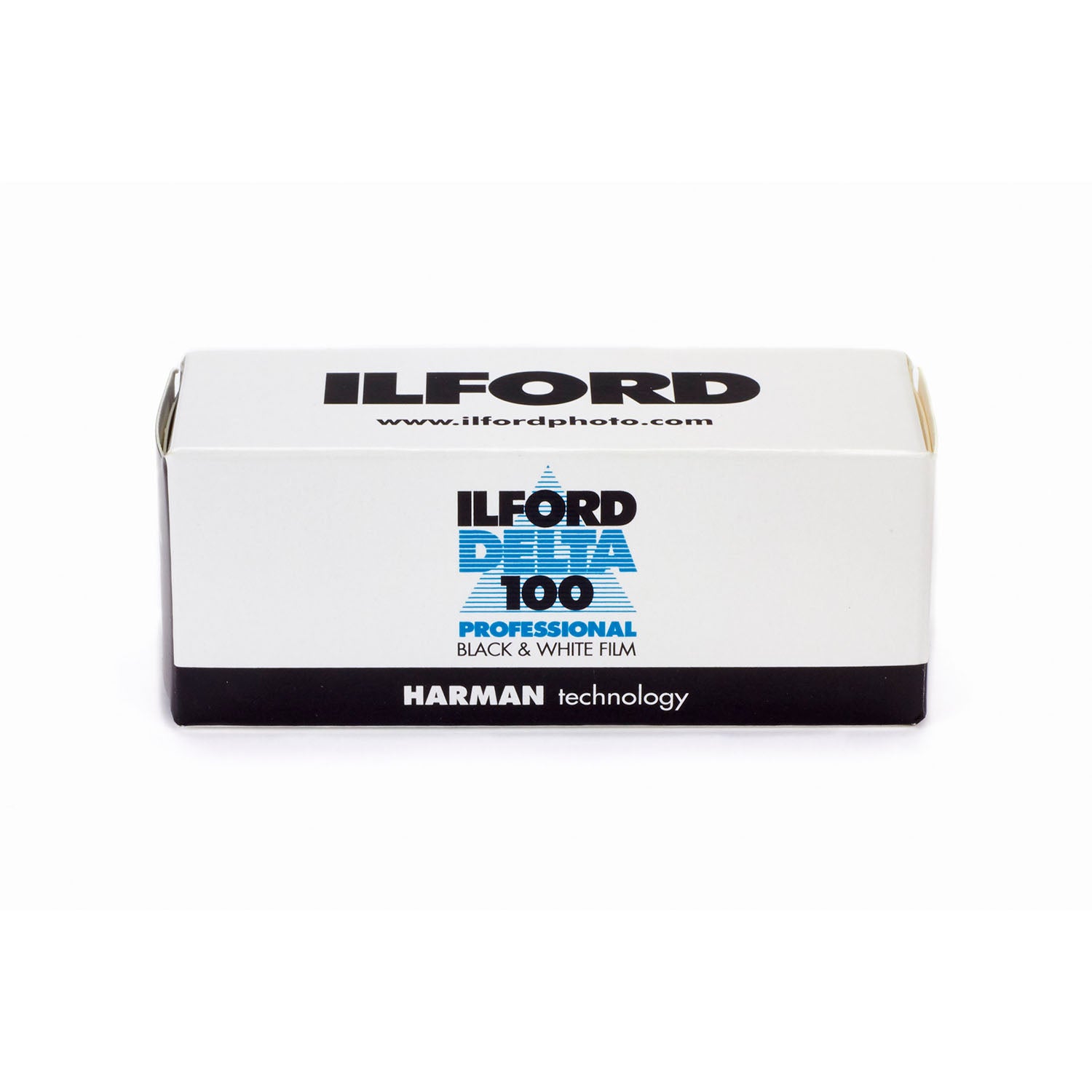
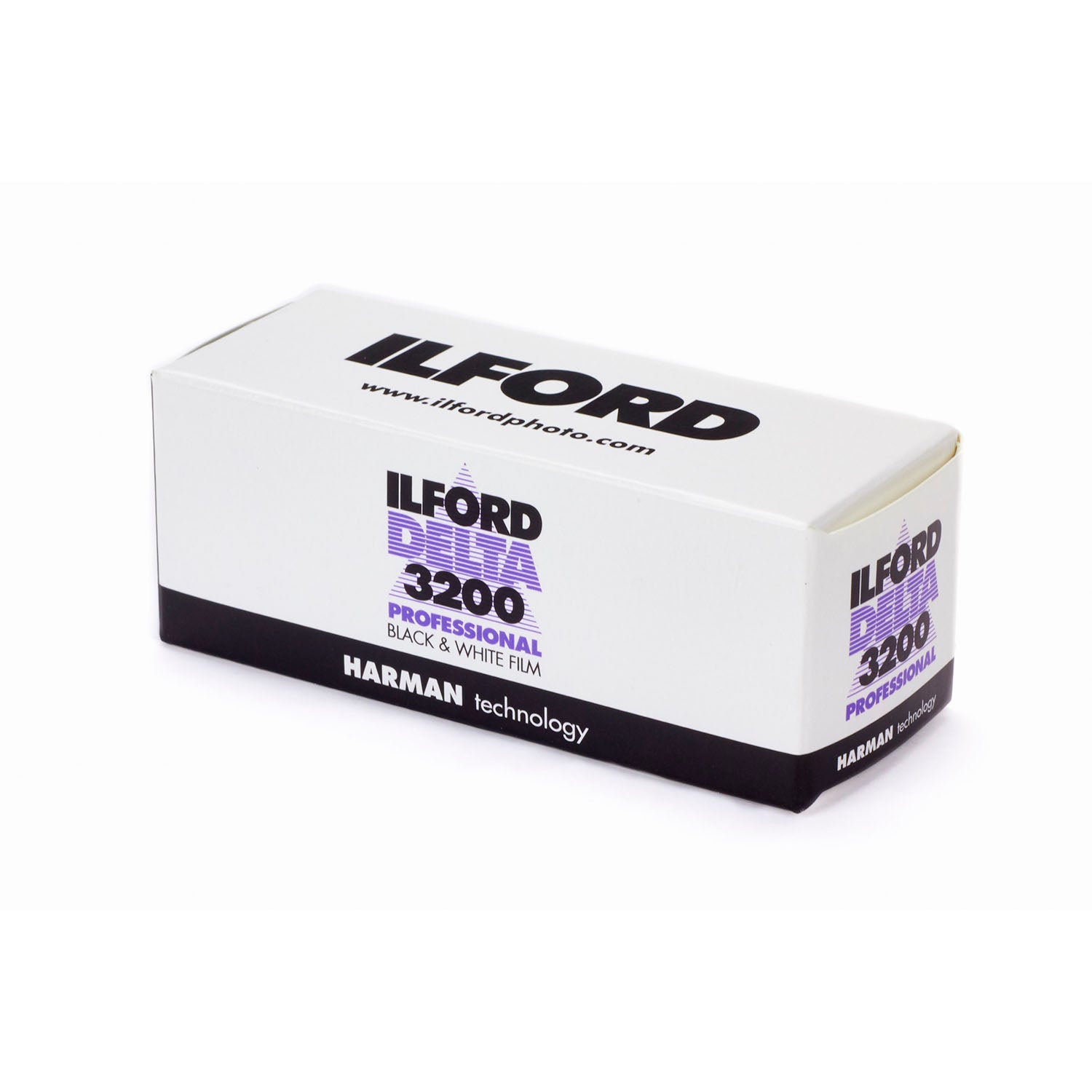
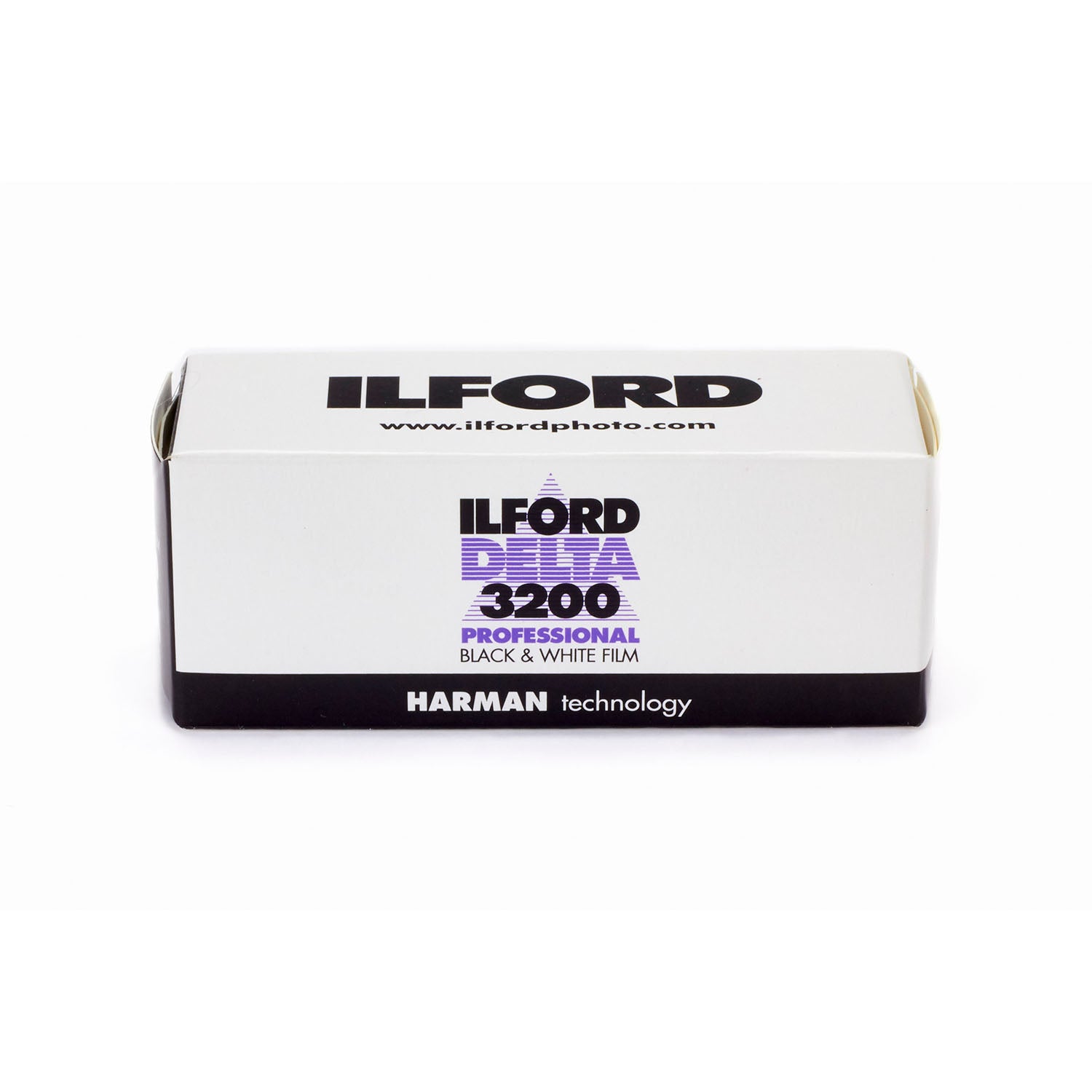

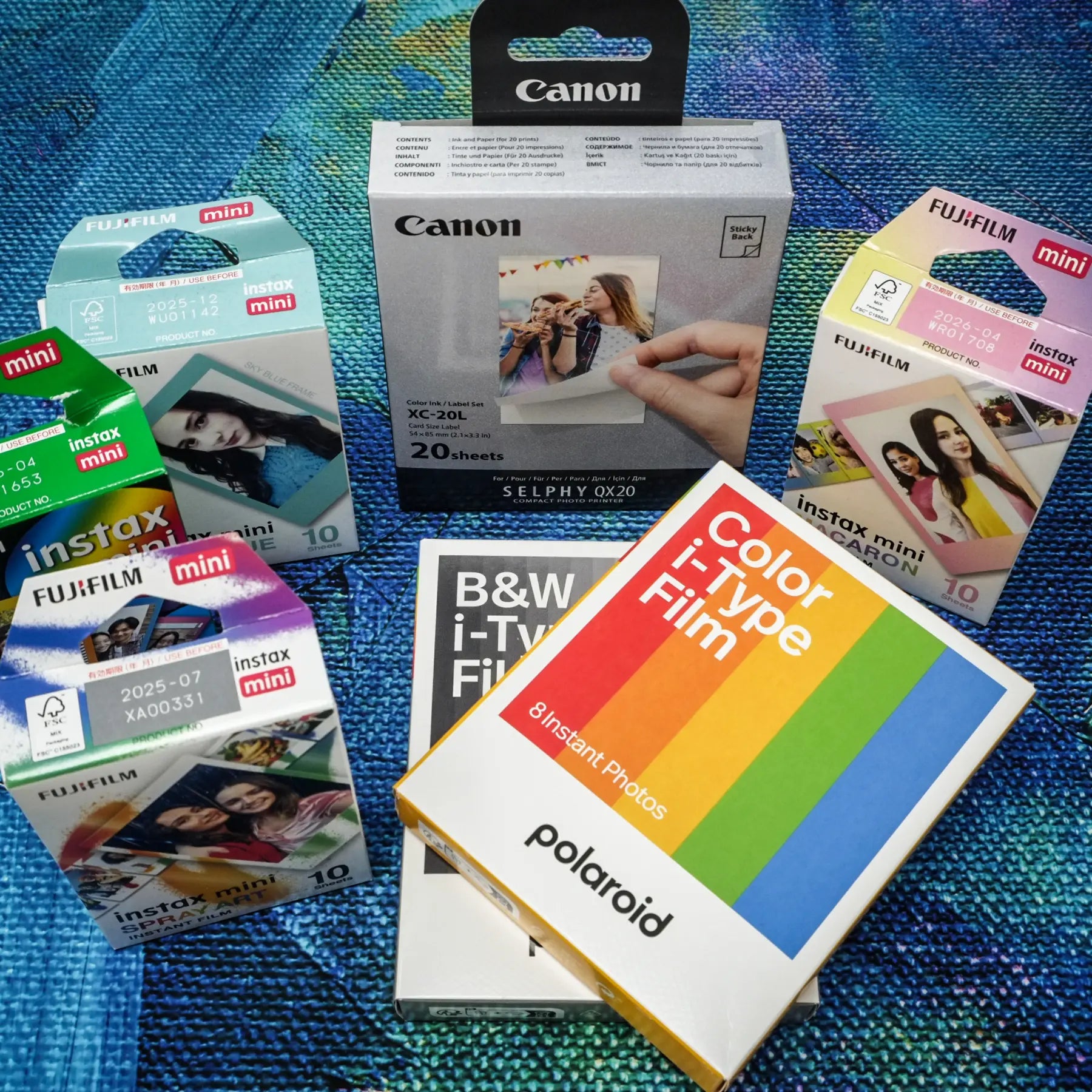
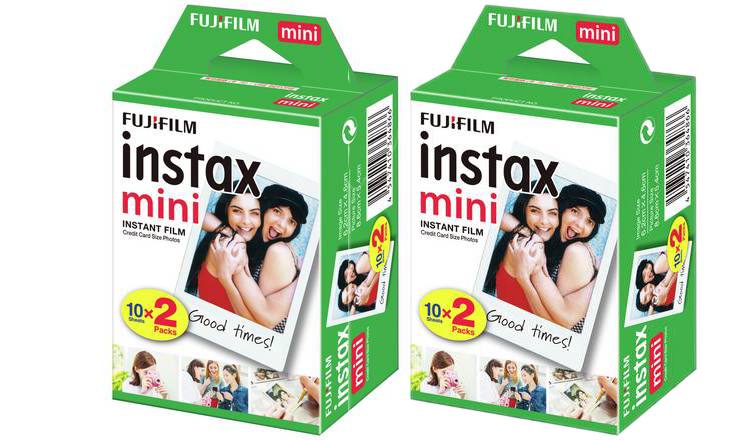
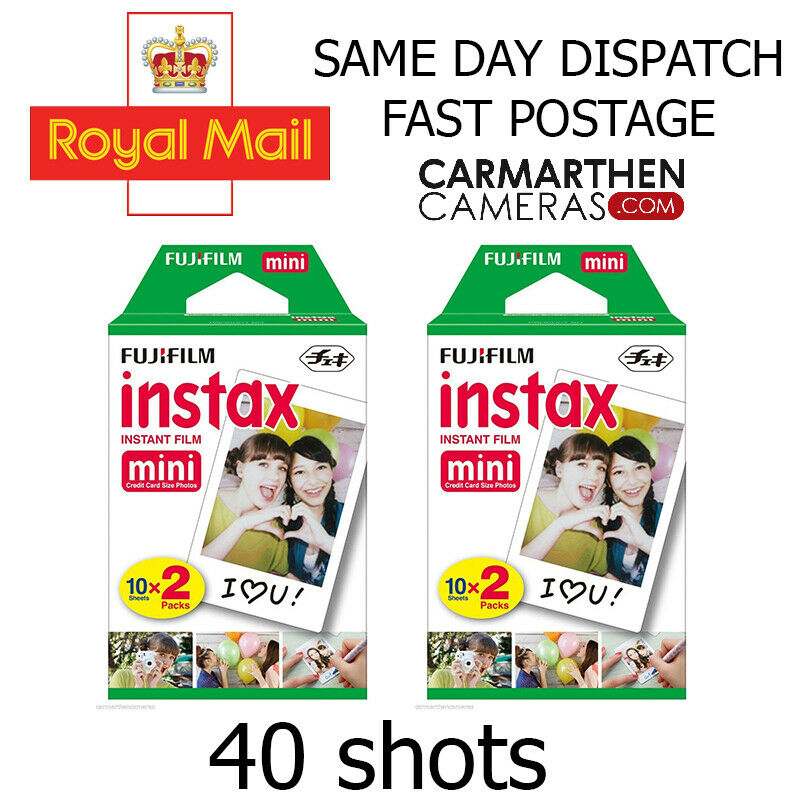
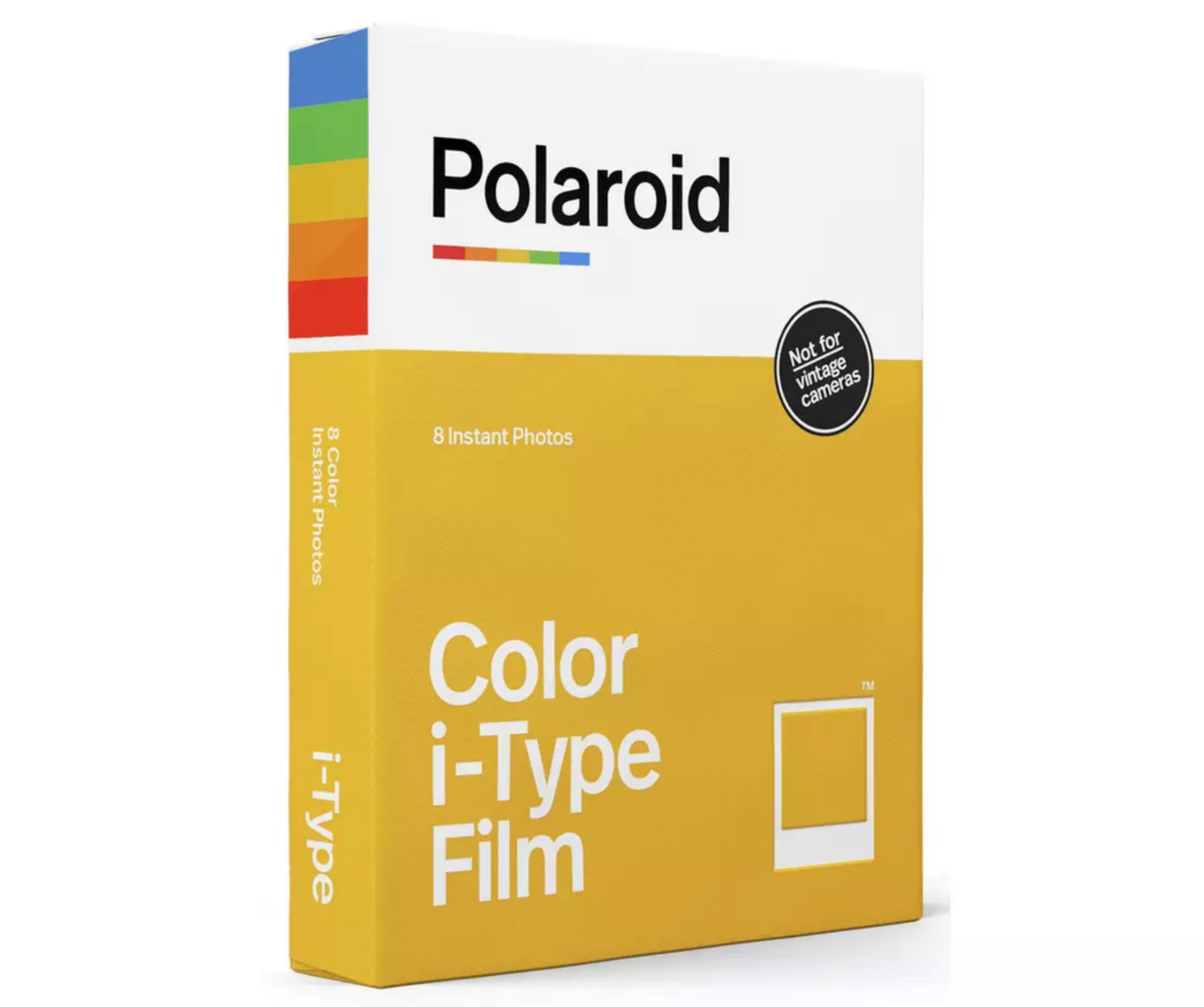
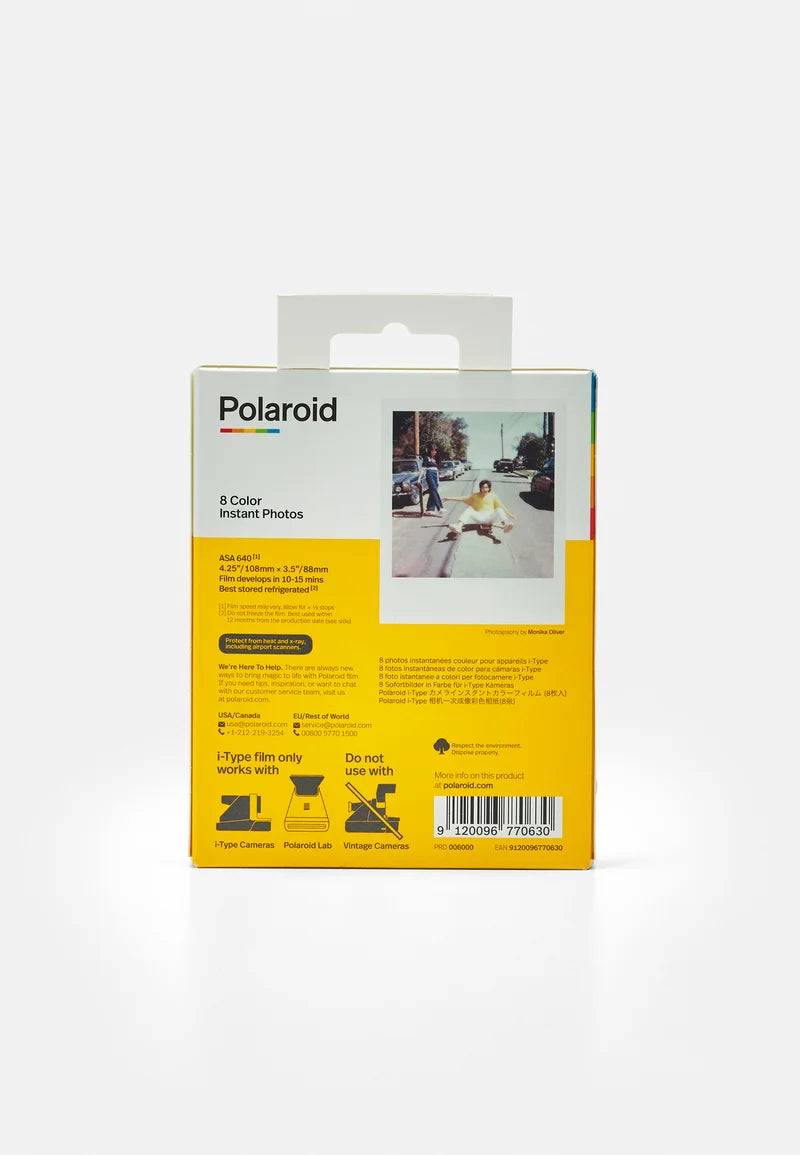
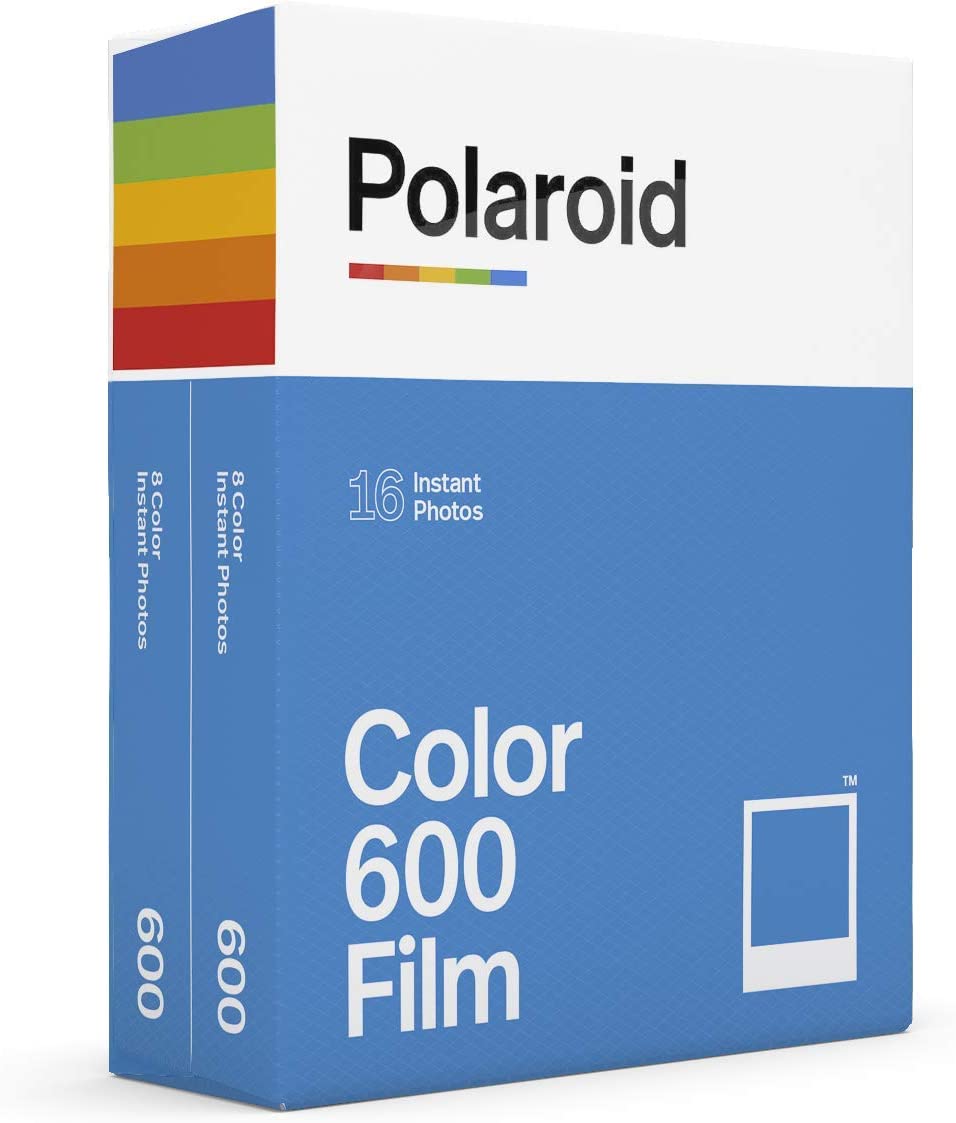
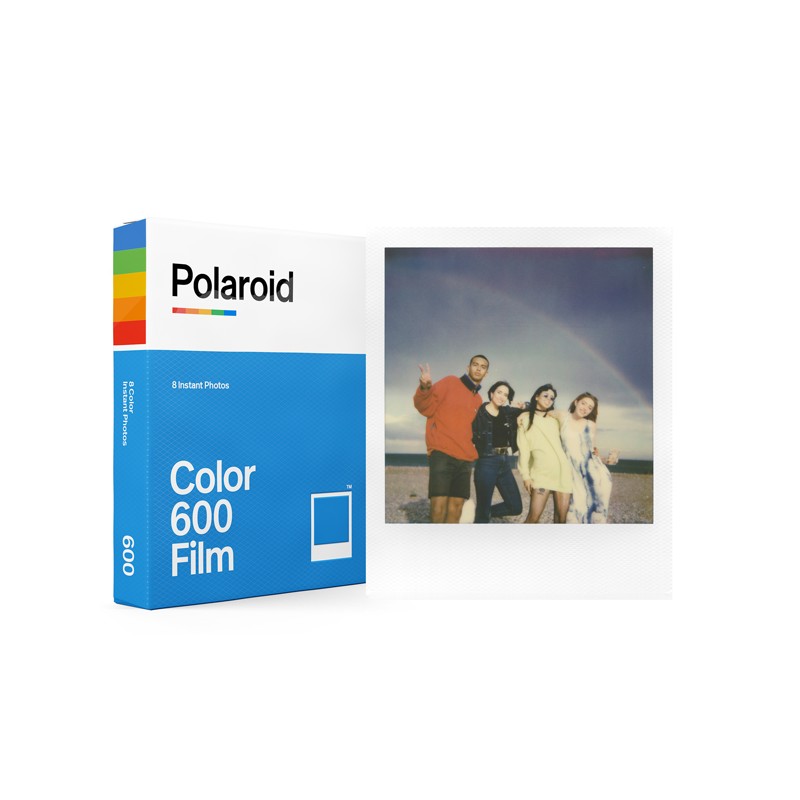
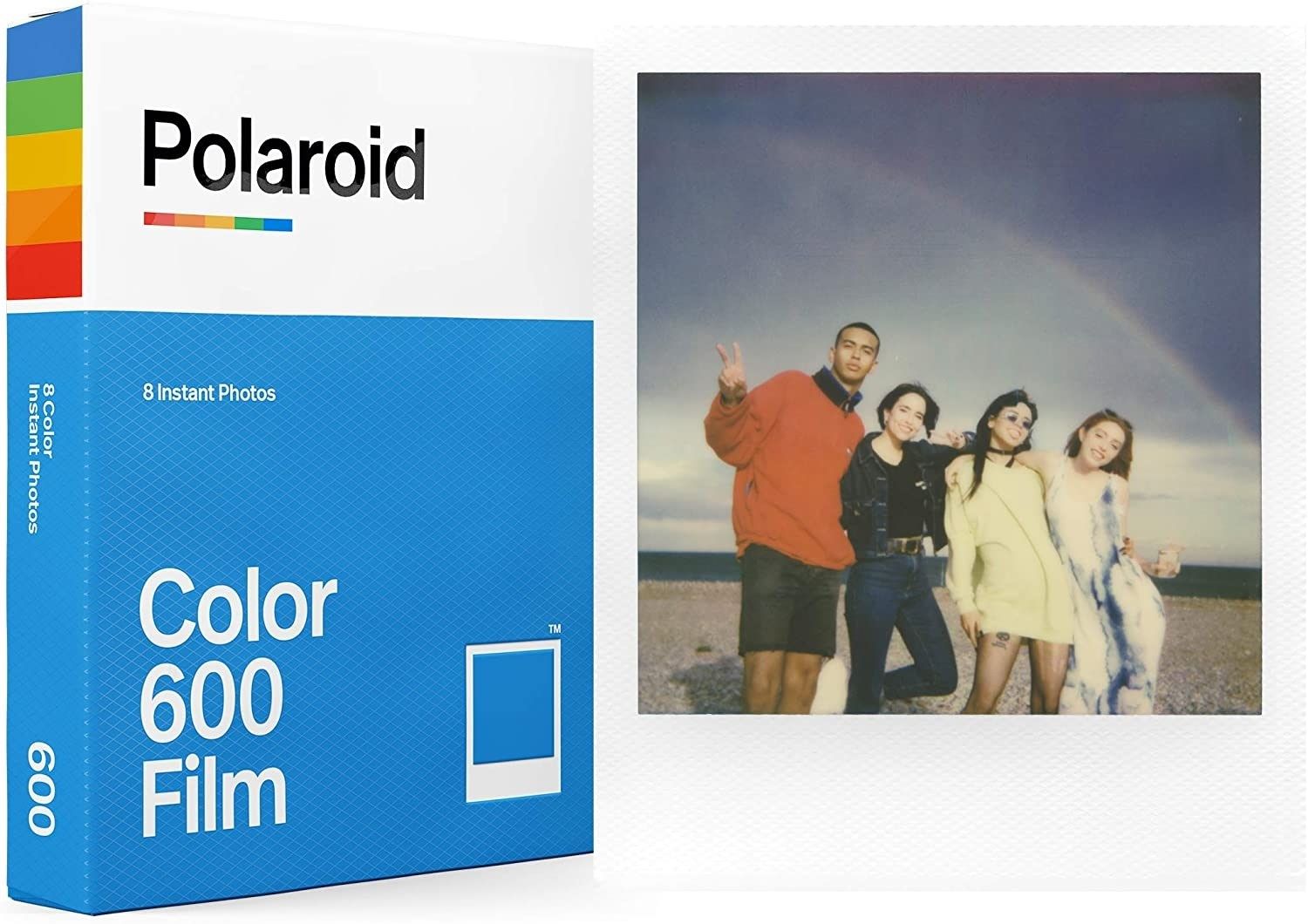
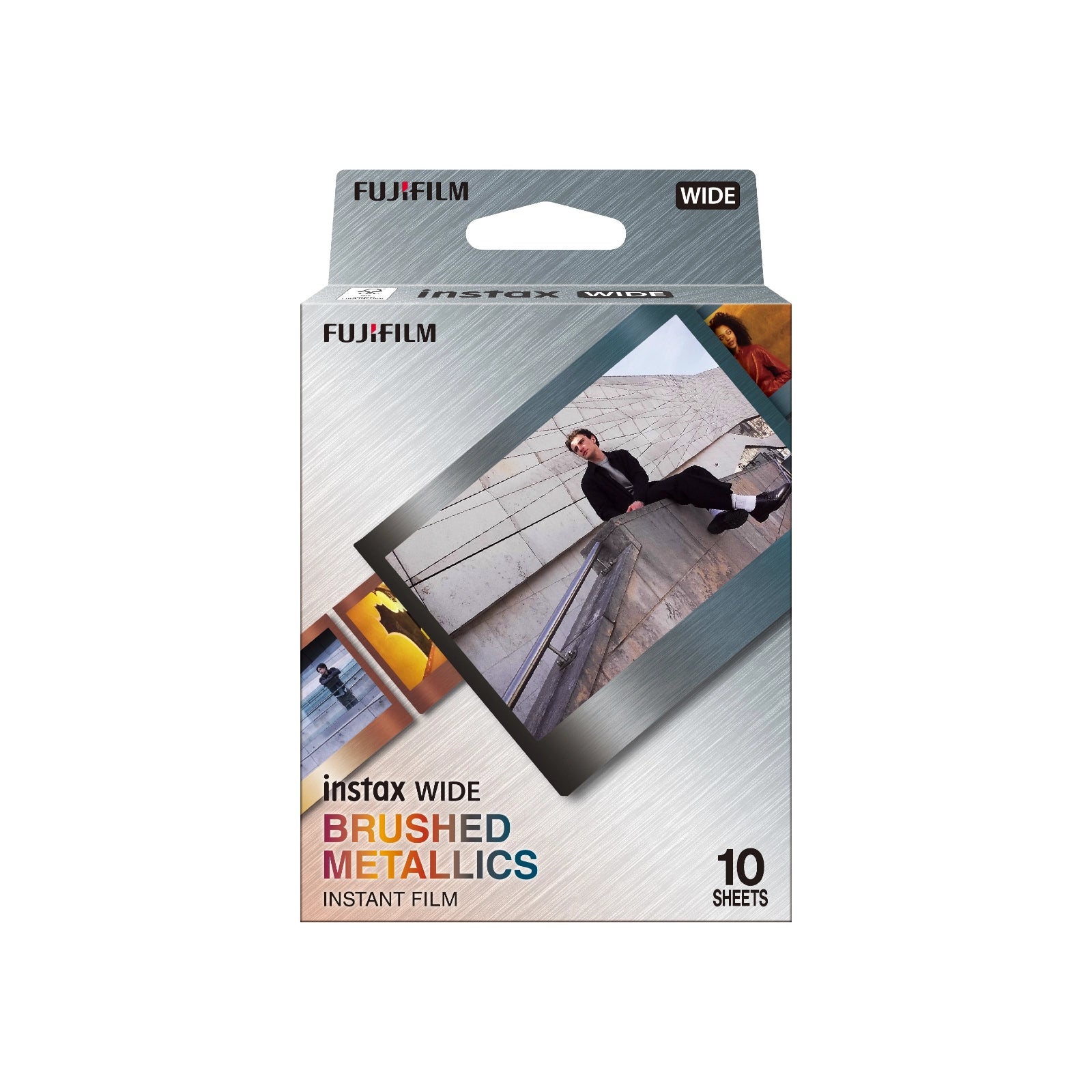
Instant Film – Tangible Memories in Seconds
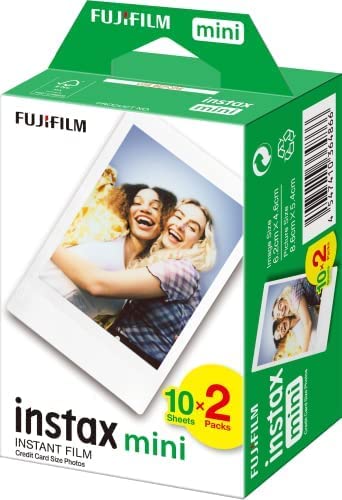
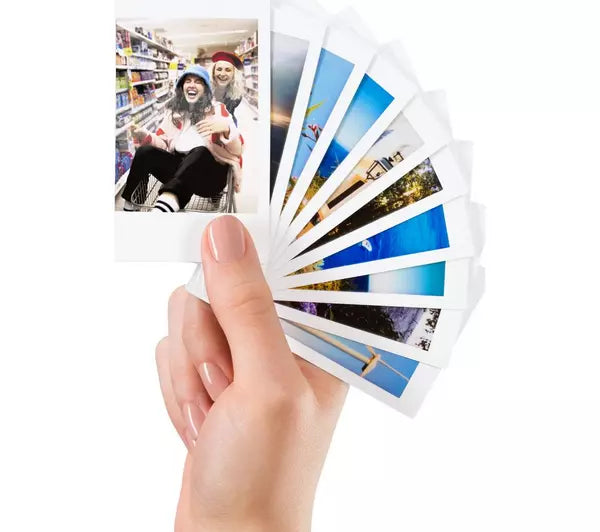
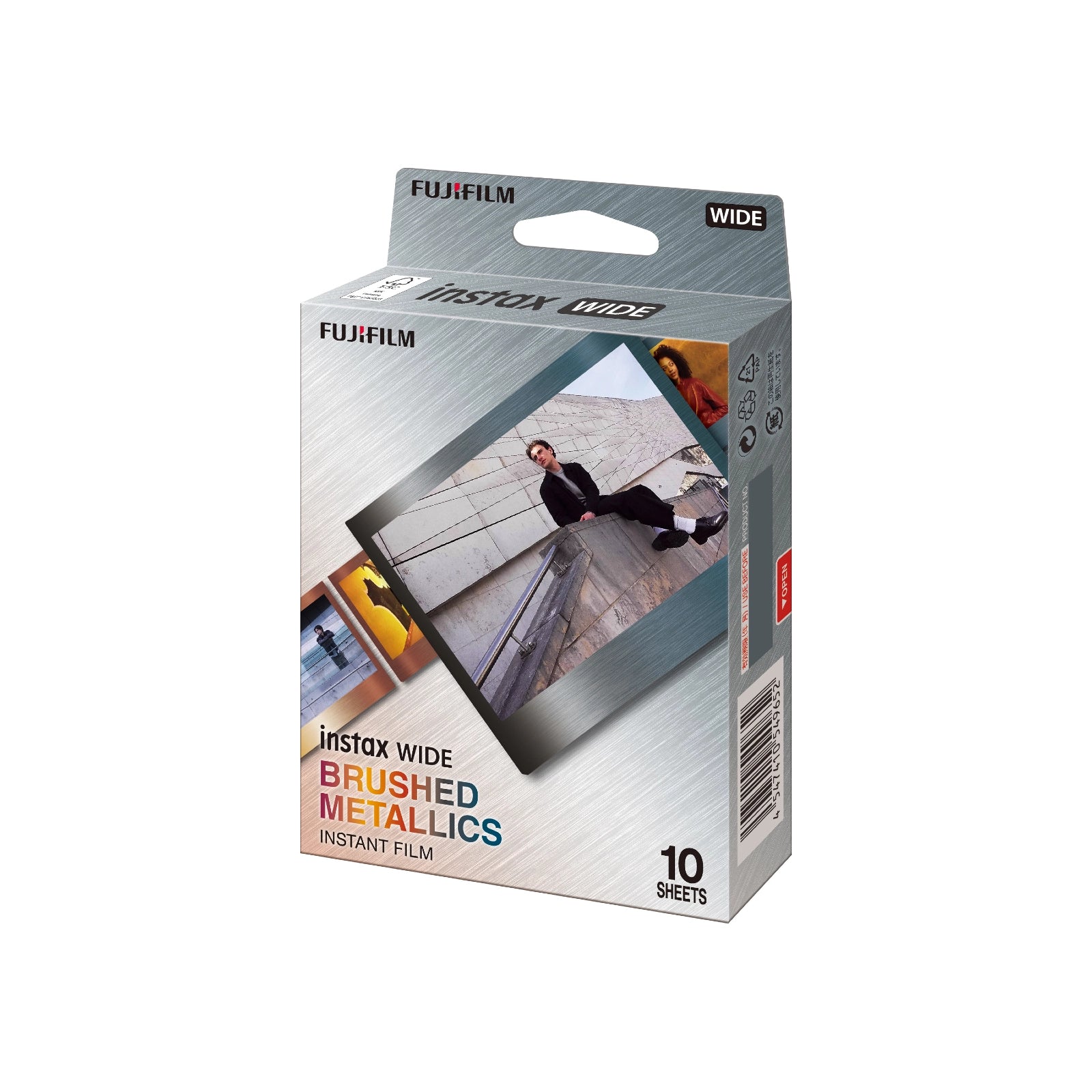
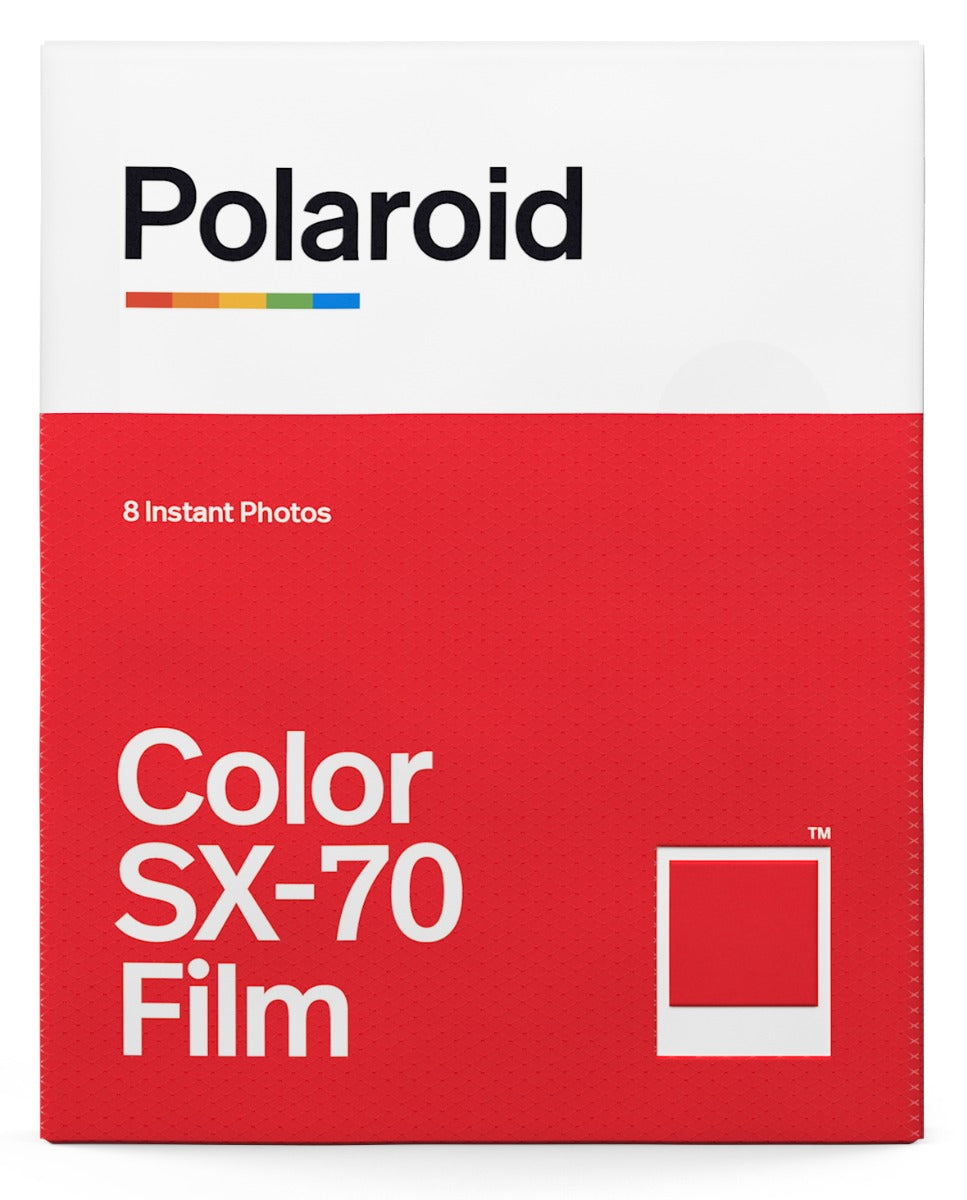
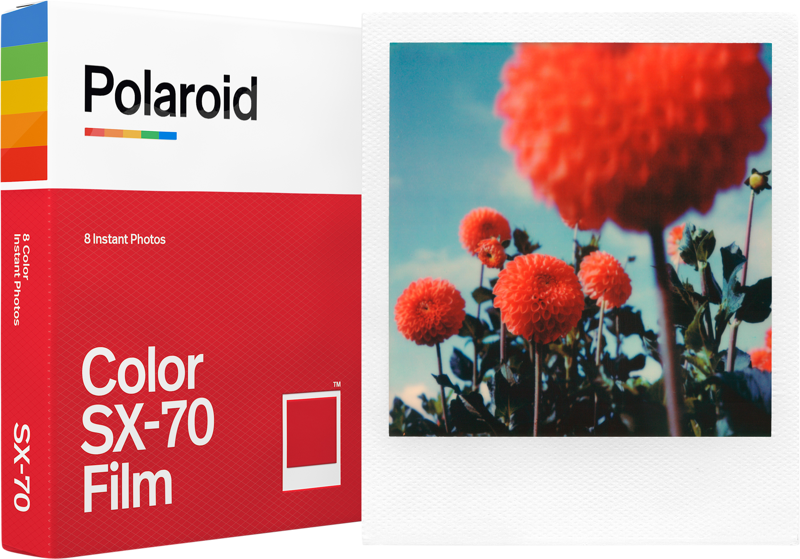
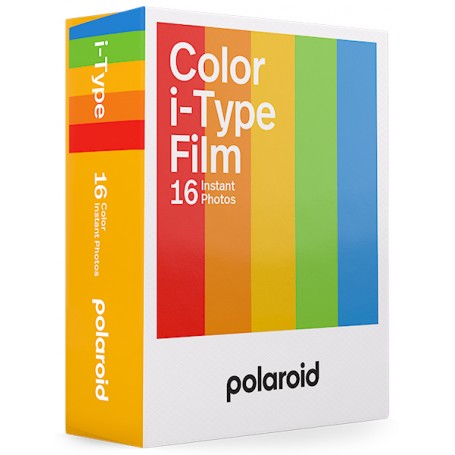
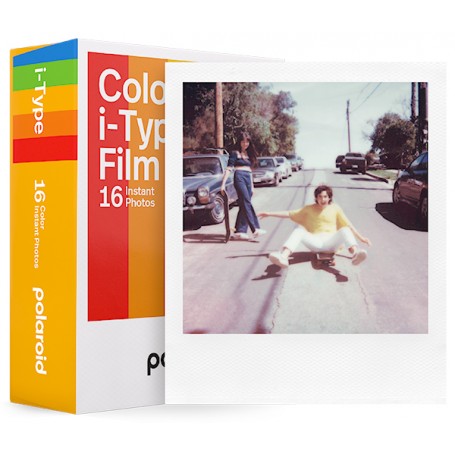
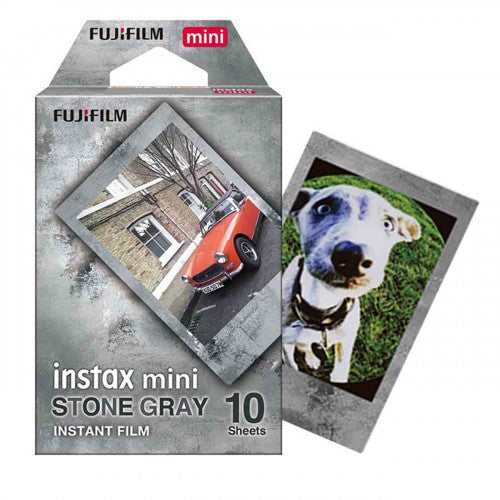
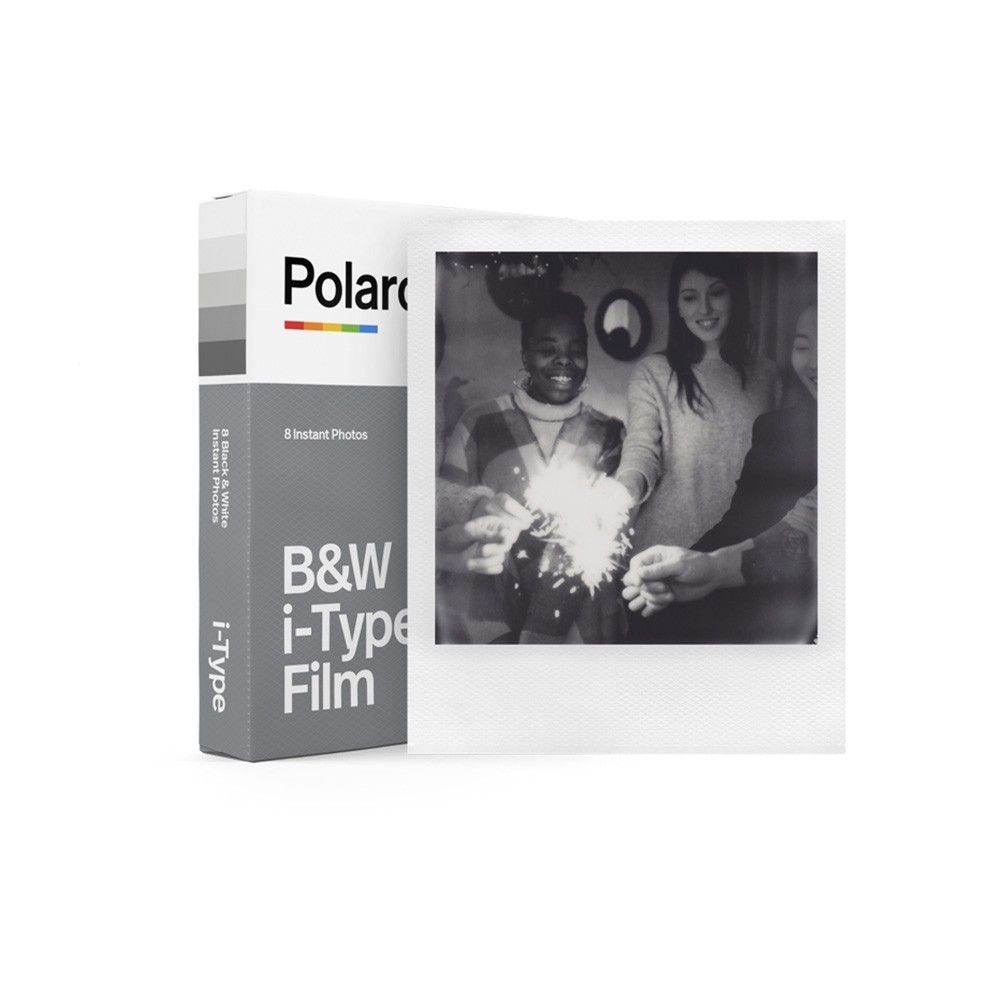
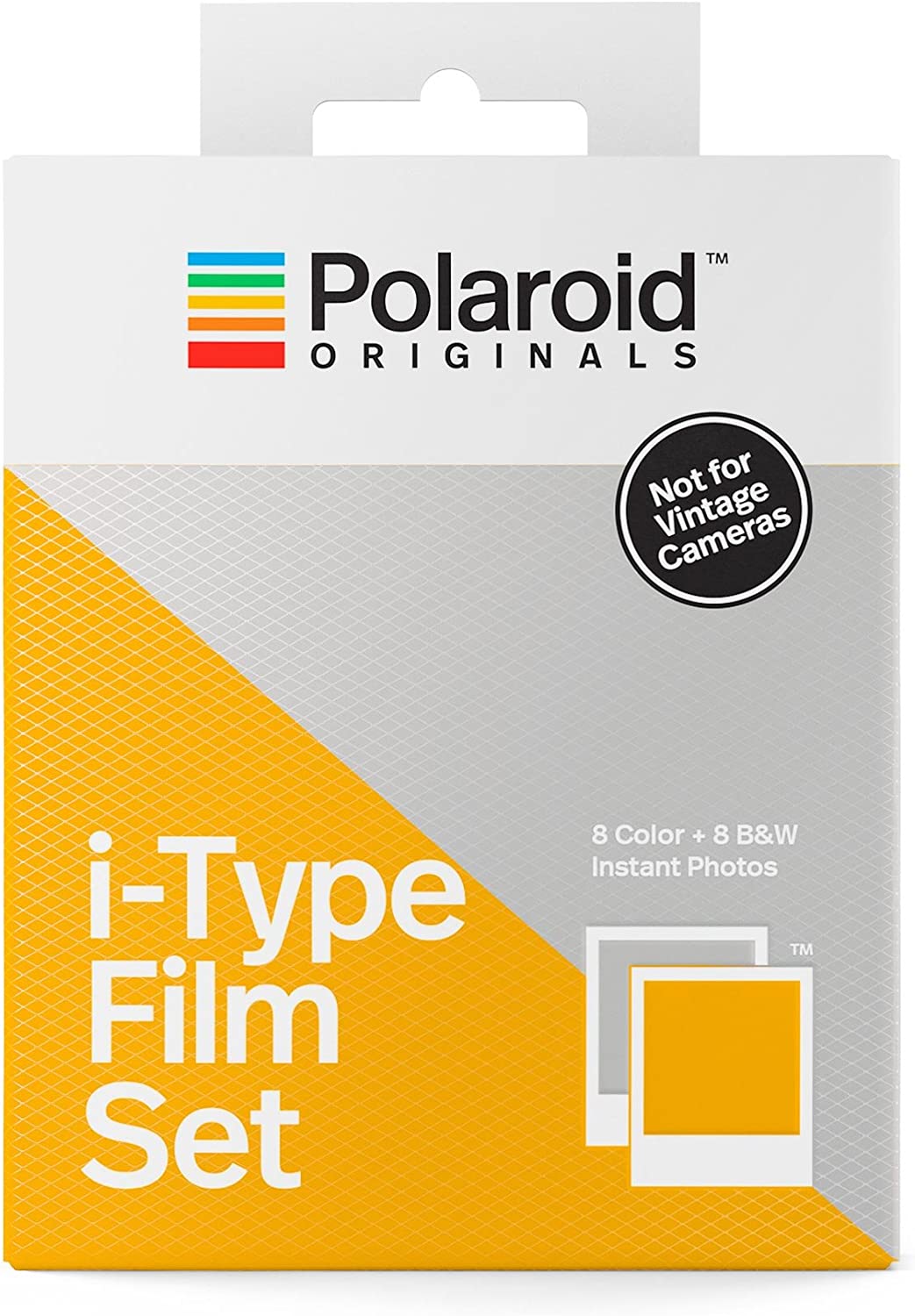
Instant film brings the joy of photography to life instantly, producing physical prints in just moments. Whether you’re using a Fujifilm Instax or Polaroid camera, instant film lets you capture and share memories with a unique vintage aesthetic.
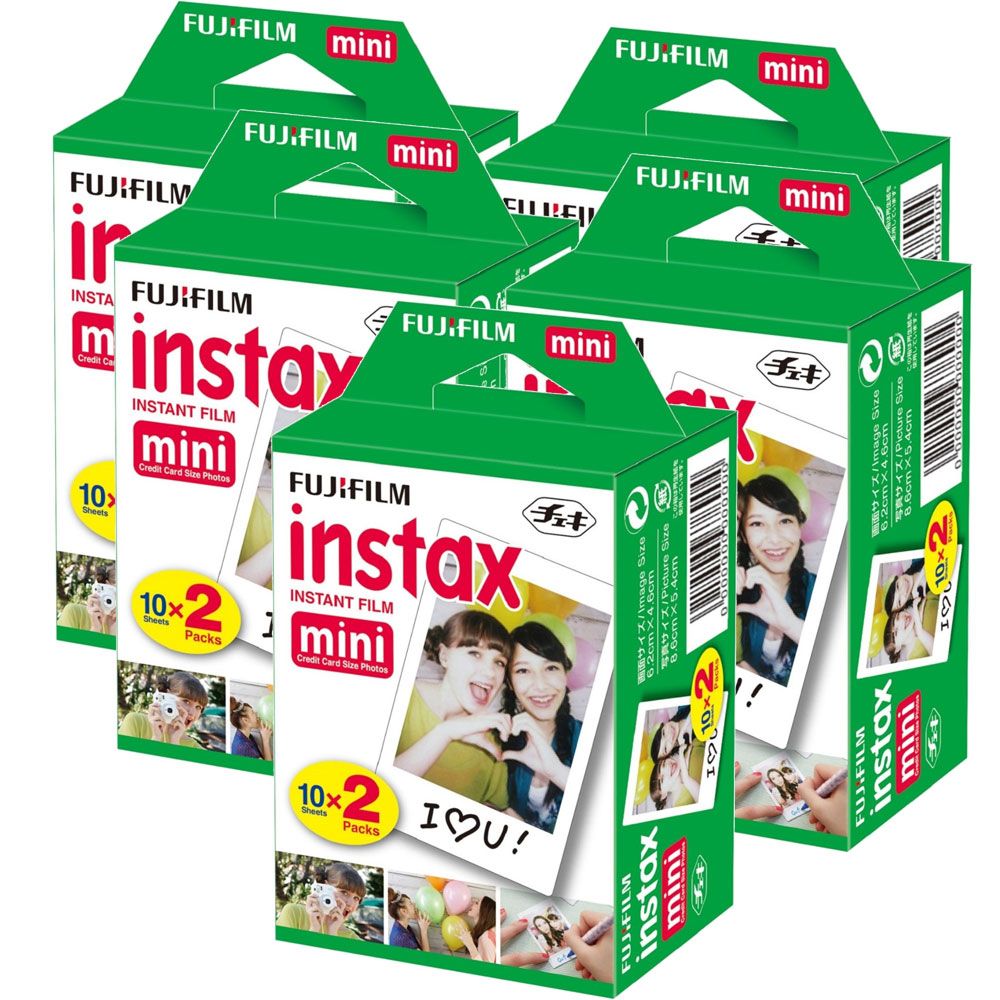
Available for Instax Mini, Square, Wide & Polaroid i-Type & 600 cameras
Features vibrant colours, classic white borders, and creative film options
Perfect for parties, travel, scrapbooking, and everyday moments
Shop Instant FilmInstant Camera Film




Used Film Cameras



Film Photography FAQs
There are several types of film, each offering unique characteristics:
35mm Film – The most common format, used in SLRs, rangefinders, and point-and-shoot cameras. Available in colour, black & white, and slide film.
120mm Medium Format Film – Used in medium format cameras, providing higher resolution, deeper tones, and greater dynamic range.
Instant Film – Designed for cameras like Fujifilm Instax and Polaroid, producing immediate prints with a nostalgic aesthetic.
Specialty Films – Includes infrared, redscale, and expired film for creative and experimental effects.
Colour Film captures a full range of colours and is ideal for vibrant, true-to-life photography. It can be developed using C-41 processing (for colour negatives) or E-6 processing (for slide film).
Black & White Film offers a classic, timeless aesthetic with strong contrast and depth. It is usually developed with B&W chemistry, making it a favourite for artistic and documentary photography.
Negative Film (C-41 processing) produces an inverted colour or black & white image, requiring scanning or printing to view correctly.
Slide Film (E-6 processing) creates a positive image directly on the film, allowing it to be viewed in a slide projector or scanned. Slide film offers rich colours and high contrast but has less exposure latitude than negative film.
To keep your film in the best condition:
✅ Store unopened film in the fridge (at 5°C/41°F) to slow down chemical degradation.
✅ Keep film away from heat, humidity, and direct sunlight.
✅ Allow refrigerated film to warm to room temperature before use to prevent condensation.
✅ Expired film can still be used but may produce unpredictable colours, lower contrast, or increased grain.
Yes! Expired film can create unique and unpredictable results, with colour shifts, grainy textures, and lower contrast. However, results vary based on how the film was stored. If stored in a cool, dry place, it will likely produce better results than film exposed to heat or humidity.
35mm Film typically allows for 24 or 36 exposures per roll.
120mm Film varies depending on the camera format, usually providing 10, 12, or 16 exposures per roll.
Instant Film packs contain 8 to 10 sheets per pack, depending on the brand and format.
There are two main ways to develop film:
Send it to a film lab – Most film labs offer processing for C-41 (colour negative), E-6 (slide film), and black & white film.
Develop at home – Many photographers choose to develop black & white film at home, using chemicals like developer, stop bath, and fixer. Colour film can also be processed at home but requires more precise temperature control.
Yes! Film can be scanned at home using a dedicated film scanner or a flatbed scanner with a film holder. Some photographers also use a digital camera and a macro lens to photograph negatives and convert them digitally using software.
Light leaks, colour shifts, or grainy textures can occur due to:
Accidentally opening the camera back before rewinding the film (causing light leaks).
Using expired film that has been improperly stored.
Shooting with a faulty camera (light seals may be worn out).
Underexposure or overexposure affecting film tones and contrast.
Film negatives can be stored safely or disposed of like regular plastic materials.
Film processing chemicals (developer, fixer, stop bath) should never be poured down the drain. Check local waste disposal guidelines for proper chemical disposal.