
Prime vs Zoom Lenses Explained: Which Should You Choose in 2026?
One of the most common questions photographers ask—whether they’re just starting out or upgrading their kit—is: should I choose a prime lens or a zoom lens?
Both have their strengths, and the right choice depends on how you shoot, what you shoot, and what you value most—flexibility or image quality.
In this guide, we’ll break down the key differences between prime and zoom lenses, explain when to use each, and help you decide which option is right for your photography.

What’s the Difference?
Prime Lenses
A prime lens has a fixed focal length (e.g. 35mm, 50mm, 85mm). This means you can’t zoom in or out—you move your position instead.
Zoom Lenses
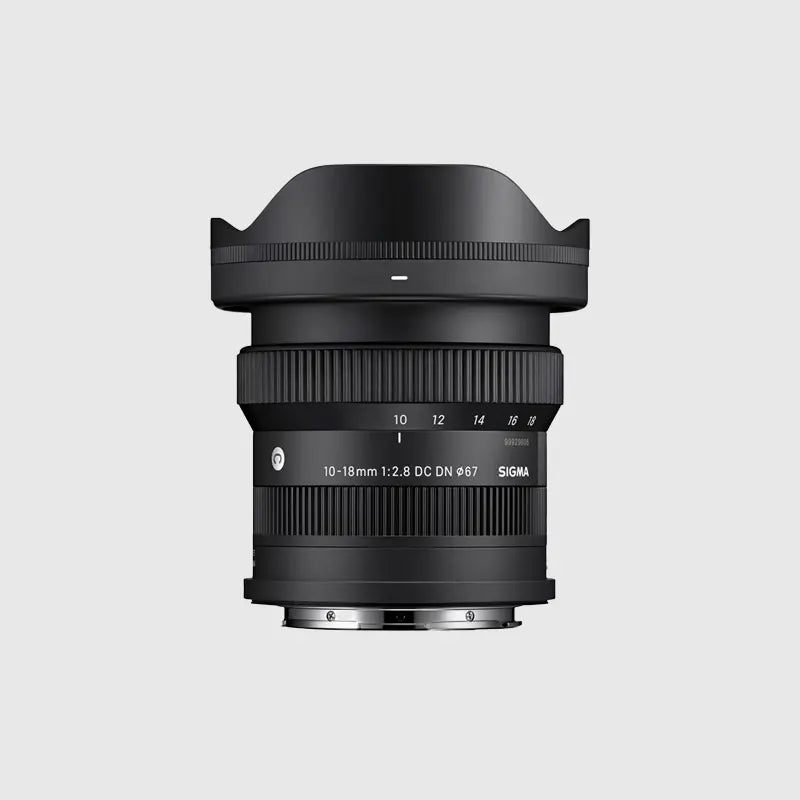
A zoom lens covers a range of focal lengths (e.g. 24–70mm, 70–200mm), allowing you to adjust framing without moving.

Key Differences Explained
🔍 Image Quality
-
Prime lenses are often sharper, especially at wider apertures
-
Zoom lenses have improved massively, but primes still tend to edge ahead in ultimate sharpness
👉 For most people, the difference is subtle—but noticeable in demanding conditions.
🌙 Aperture & Low Light Performance
-
Prime lenses typically offer wider apertures (e.g. f/1.8, f/1.4)
-
Zoom lenses usually have smaller maximum apertures (e.g. f/2.8 or f/4)
What this means:
-
Better low light performance with primes
-
Stronger background blur (bokeh) with primes
👉 Ideal for portraits, events, and creative depth of field.

🎯 Flexibility & Convenience
-
Zoom lenses win here—one lens covers multiple focal lengths
-
Prime lenses require you to move or swap lenses
👉 Zooms are perfect for:
-
Travel
-
Events
-
Fast-moving situations
🎒 Size & Weight
-
Prime lenses are usually smaller and lighter
-
Zoom lenses can be bulkier, especially professional models
👉 Great for everyday carry and street photography.
💰 Price & Value
-
Entry-level prime lenses are often very affordable
-
High-end zoom lenses (like 24–70mm f/2.8) can be more expensive
👉 Primes often offer excellent value for image quality.

When Should You Use a Prime Lens?
Prime lenses are ideal when:
-
You want maximum image quality
-
You shoot in low light
-
You love shallow depth of field
-
You want a lightweight setup
Best for:
-
Portrait photography
-
Street photography
-
Low-light shooting
-
Creative photography

When Should You Use a Zoom Lens?
Zoom lenses are the better choice when:
-
You need flexibility
-
You’re shooting in fast-paced environments
-
You don’t want to change lenses
Best for:
-
Travel photography
-
Events and weddings
-
Wildlife and sports
-
General everyday shooting

Common Mistakes to Avoid
-
Choosing a lens based purely on price rather than use
-
Buying a zoom lens when you mainly shoot one focal length
-
Avoiding primes because they seem “less convenient”
-
Not considering weight and portability
-
Thinking you need multiple lenses straight away
💡 Pro Tips
-
If you’re starting out, a 50mm prime is one of the best value upgrades
-
A 24–70mm zoom is one of the most versatile all-round lenses
-
Try limiting yourself to one focal length—it improves composition skills
-
Don’t underestimate how much aperture affects your images
-
Consider your shooting style before buying—not just specs

Recommended Setup (Balanced Approach)
If you’re unsure, a combination works best:
-
Zoom lens for flexibility (e.g. travel, events)
-
Prime lens for creativity (e.g. portraits, low light)
👉 This gives you the best of both worlds without overcomplicating your kit.
FAQ
Do professionals use prime or zoom lenses?
Both—many professionals use zooms for convenience and primes for quality and creative work.
Are prime lenses better for beginners?
Yes—they can help you learn composition and often offer great image quality for the price.
Is a zoom lens enough on its own?
Absolutely. A good zoom lens can cover most situations, especially for beginners.
Do I need both?
Not immediately—but many photographers eventually use both for different scenarios.

Conclusion
There’s no single “best” choice between prime and zoom lenses—only what works best for how you shoot.
If you value flexibility and convenience, a zoom lens is a great starting point. If you’re chasing image quality, low light performance, or creative control, a prime lens is hard to beat.
The best approach? Start simple, understand your shooting style, and build your kit around what you actually use.
If you’re unsure which lens is right for you, pop in-store or get in touch—we’re always happy to help you find the right setup.