Your camera is one of your most valuable possessions, so choosing the right bag is just as important as choosing the right camera itself.
A good camera bag doesn't just protect your equipment—it makes it easier to carry, keeps your gear organised and ensures you're always ready to capture the perfect shot. Whether you're heading into the mountains, exploring a city, travelling abroad or shooting a wedding, there's a camera bag designed specifically for the way you work.
In this guide, we'll explain the different types of camera bags, what features to look for and how to choose the perfect one for your photography.

Why Does Your Camera Bag Matter?
Many photographers focus all their attention on cameras and lenses, but a poorly chosen bag can quickly become frustrating.
The right bag should:
-
📷 Protect your equipment from knocks and bumps
-
💧 Keep your gear safe from rain and dust
-
🎒 Be comfortable to carry for long periods
-
⚡ Allow quick access to your camera
-
📦 Keep accessories organised
-
✈️ Be suitable for your style of travel and photography
Think of your camera bag as part of your kit rather than just somewhere to store it.

Start by Thinking About Your Photography
Before looking at different bags, ask yourself a few simple questions.
-
What do you usually photograph?
-
How much equipment do you carry?
-
Do you travel often?
-
Will you be walking long distances?
-
Do you carry a laptop?
-
Do you need quick access to your camera?
Your answers will quickly narrow down the best type of bag.

Different Types of Camera Bags
Camera Backpacks
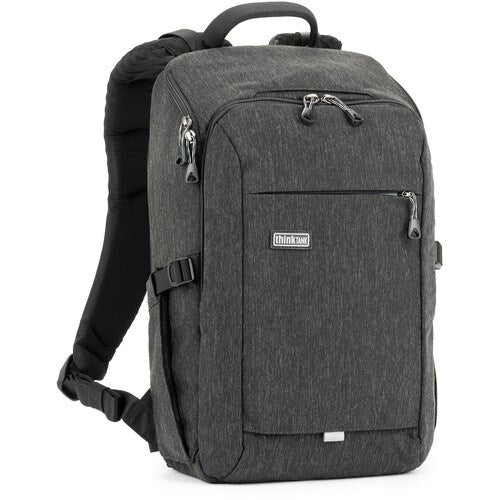
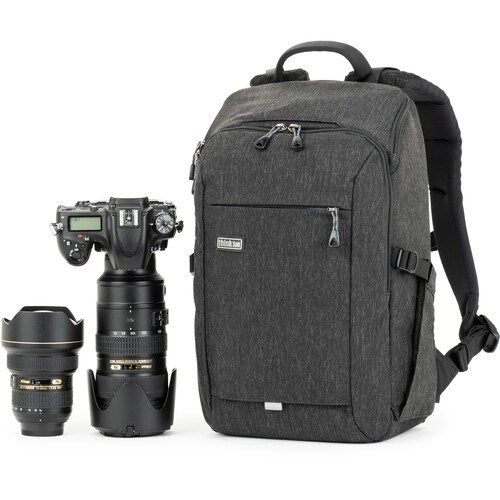
Camera backpacks are one of the most popular options because they comfortably distribute weight across both shoulders.
They're ideal for:
-
Landscape photography
-
Wildlife photography
-
Travel
-
Hiking
-
Astrophotography
Advantages:
✔ Excellent comfort
✔ Large storage capacity
✔ Room for multiple lenses
✔ Space for laptops
✔ Great weight distribution
Disadvantages:
-
Slower camera access
-
Usually need removing to access all equipment
Perfect if you carry a lot of gear.

Shoulder Bags
Shoulder bags offer quick access while remaining relatively compact.
Ideal for:
-
Street photography
-
Events
-
Everyday photography
-
Family days out
Advantages:
✔ Fast access
✔ Compact
✔ Easy organisation
Disadvantages:
-
Can become uncomfortable if heavily loaded
-
Weight rests on one shoulder
Sling Bags
Sling bags combine elements of backpacks and shoulder bags.
They rotate around your body, allowing quick access without taking the bag off.
Perfect for:
-
Travel
-
Street photography
-
Wildlife walks
-
Everyday use
Advantages:
✔ Fast access
✔ Comfortable
✔ Lightweight
✔ Easy to carry
Many photographers find a sling bag offers the best balance between comfort and accessibility.

Holster Bags
Designed to carry one camera with a lens attached.
Ideal for:
-
Walks
-
Day trips
-
Sports
-
Travel
If you rarely change lenses, a holster bag is often all you need.
Hard Cases
For photographers transporting expensive equipment or travelling professionally.
Best for:
-
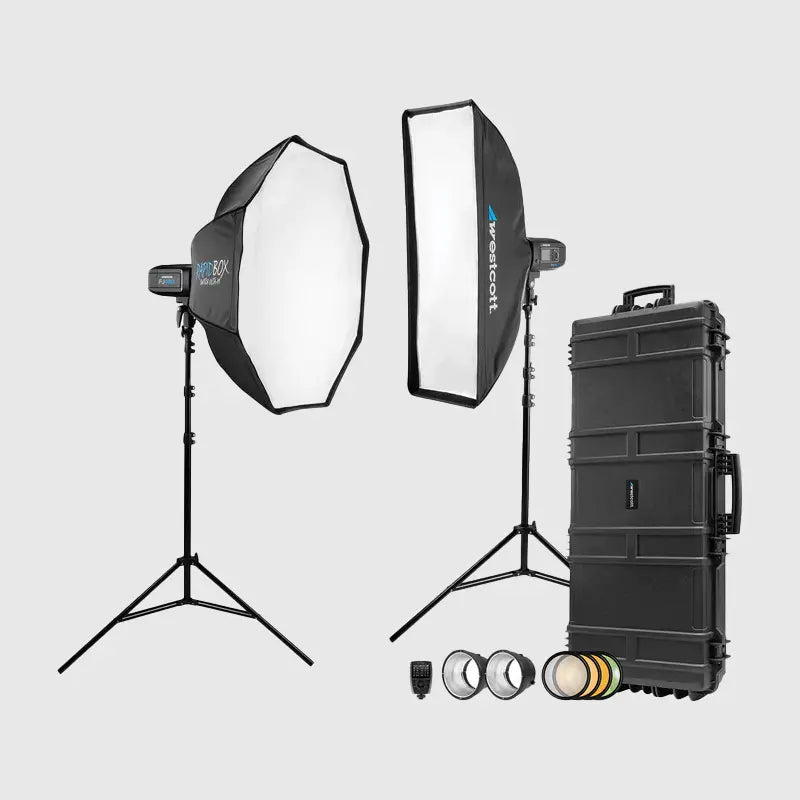
Studio equipment
-
Commercial photographers
-
Airline transport
-
Delicate lighting equipment
They provide the highest level of protection.

How Much Space Do You Need?
One of the biggest mistakes photographers make is buying a bag that's either too small or far larger than they actually need.
Think about what you normally carry.
For example:
Beginner Kit
-
Camera
-
Kit lens
-
Spare battery
-
Memory cards
A compact shoulder bag or sling is usually ideal.
Enthusiast Kit
-
Camera
-
Three lenses
-
Flash
-
Filters
-
Batteries
-
Charger
A medium backpack often works best.
Professional Kit
-
Two camera bodies
-
Several lenses
-
Flashguns
-
Drone
-
Laptop
-
Tripod
-
Accessories
A larger backpack or roller case is usually the better choice.
Remember, buying slightly larger than your current kit leaves room to grow.

Protection Matters
A camera bag should do more than simply carry your equipment.
Look for:
-
Thick padded dividers
-
Adjustable compartments
-
Reinforced base
-
Water-resistant materials
-
Rain cover
-
Strong zips
These features help protect your investment wherever you travel.

Comfort is Essential
A bag might look great in the shop, but if it's uncomfortable after an hour, you'll soon stop using it.
Look for:
-
Wide shoulder straps
-
Padded back panels
-
Adjustable chest straps
-
Waist belts on larger backpacks
-
Breathable materials
If you regularly carry heavy equipment, comfort should be one of your highest priorities.

Fast Access vs Maximum Storage
There's always a balance.
Some photographers prioritise carrying as much equipment as possible.
Others want instant access to their camera.
For example:
Landscape photographers often prioritise storage.
Street photographers usually prioritise speed.
Wildlife photographers often need a combination of both.
Choose a bag that matches how you actually shoot—not how you think you might shoot one day.

Weather Resistance
British weather is famously unpredictable.
Many quality camera bags include:
-
Water-resistant fabrics
-
Waterproof base
-
Weatherproof zips
-
Integrated rain cover
These features can make all the difference if you're caught in an unexpected downpour.
Laptop and Tablet Storage
If you edit on the move, look for a dedicated padded laptop compartment.
Many larger backpacks accommodate laptops between 13" and 16", making them ideal for travel, events and working on location.
Tripod Storage
Landscape and wildlife photographers often carry a tripod.
Many backpacks now feature:
-
Side tripod holders
-
Front mounting straps
-
Dedicated tripod pockets
Always check the maximum tripod size supported.

Airline Travel
If you're flying regularly, check the bag's external dimensions before purchasing.
Many camera backpacks are designed to comply with typical cabin baggage allowances, helping you keep your valuable equipment with you during your journey. However, airline size and weight limits vary, so it's always worth checking the requirements of the airline you're travelling with before you fly.
Security Features
Some premium camera bags include useful security features such as:
-
Lockable zips
-
Hidden pockets
-
Rear access compartments
-
RFID-safe pockets for passports and cards
These can provide extra peace of mind when travelling or working in busy locations.

Build Quality
A well-made camera bag can last for many years.
Look for:
-
Quality stitching
-
Durable materials
-
Reliable buckles
-
Smooth-running zips
-
Strong carry handles
Spending a little more often results in a bag that offers better comfort, improved protection and a much longer lifespan.
Common Mistakes to Avoid
Avoid these common buying mistakes:
❌ Buying a bag purely based on appearance.
❌ Choosing a bag that's too small for future equipment.
❌ Ignoring comfort.
❌ Carrying unnecessary gear "just because it fits."
❌ Forgetting about laptop or tripod storage.
The best camera bag is the one you'll actually enjoy using every time you head out with your camera.

Final Thoughts
The perfect camera bag isn't necessarily the biggest or the most expensive—it's the one that suits the way you shoot.
By considering how much equipment you carry, how far you travel and how quickly you need to access your camera, you can narrow down the options and choose a bag that makes every outing more enjoyable.
Whether you're taking your first mirrorless camera on holiday or transporting a professional kit to your next assignment, investing in the right camera bag will help keep your equipment organised, protected and always ready for your next great photograph.