🌞 The 12 August 2026 Solar Eclipse: Everything UK Skywatchers Need to Know
On Wednesday 12 August 2026, one of the most exciting astronomical events of the decade will take place—a spectacular solar eclipse visible across the UK.
Although the path of totality passes further north through Greenland, Iceland and northern Spain, observers throughout England, Wales, Scotland and Northern Ireland will enjoy a large partial solar eclipse, with a significant portion of the Sun covered by the Moon.
For many people, this will be their first opportunity to witness a solar eclipse, making it the perfect excuse to get outside, look up safely and experience one of nature's most remarkable celestial events.
📅 When Will the Eclipse Be Visible in the UK?
The 12 August 2026 solar eclipse will be visible across the whole of the United Kingdom during the early evening, making it an ideal event for families, amateur astronomers and photographers alike.
While the path of totality passes through Greenland, Iceland and northern Spain, the UK will experience a deep partial solar eclipse, with around 90–94% of the Sun obscured, depending on your location.
Approximate UK Viewing Times (BST)
| Eclipse Stage | Time |
|---|---|
| 🌑 Eclipse Begins | 6:10–6:20 pm |
| 🌞 Maximum Eclipse | 7:05–7:15 pm |
| 🌤 Eclipse Ends | 8:00–8:10 pm |
For much of Wales, the eclipse is expected to:
-
🌑 Begin: Approximately 6:15 pm BST
-
🌞 Reach Maximum: Around 7:12 pm BST
-
🌤 Finish: Shortly after 8:05 pm BST
These times vary slightly depending on where you are in the UK, but wherever you're watching, you'll have the chance to witness one of the most impressive partial solar eclipses visible from Britain for many years.
🌅 Choose Your Viewing Location Carefully
One important thing to remember is that the Sun will be quite low in the western sky during the eclipse.
To give yourself the best possible view, try to find a location with:
-
🌄 A clear, unobstructed view towards the west or west-northwest
-
🌳 No trees blocking the horizon
-
🏠 Minimal buildings or rooftops in the way
-
⛰️ Open countryside, beaches or elevated viewpoints if possible
Arriving early gives you time to set up your equipment, check your solar filters and enjoy watching the eclipse from the very first moments.
If you're planning to photograph the eclipse, scouting your location a few days beforehand can make all the difference.
🌍 What Is a Solar Eclipse?
A solar eclipse occurs when the Moon passes directly between the Earth and the Sun, casting its shadow onto the Earth.
Depending on where you are standing, you may see:
-
A total eclipse, where the Sun is completely covered.
-
A partial eclipse, where only part of the Sun is hidden.
-
An annular eclipse, where the Moon appears slightly smaller than the Sun, creating the famous "Ring of Fire."
From the UK, we'll be treated to a partial eclipse, with the amount of the Sun covered varying depending on your location.
Northern Scotland will experience the deepest eclipse, while southern parts of England will still enjoy an impressive view.
🇬🇧 What Will We See in the UK?
Unlike a total eclipse, the sky won't become completely dark, but you'll notice the Moon gradually taking a "bite" out of the Sun before reaching maximum eclipse and then slowly moving away again.
If you're observing carefully, you may also notice:
-
A subtle drop in daylight.
-
Shadows becoming slightly sharper.
-
A change in the atmosphere around you.
-
Birds becoming quieter as the light level changes.
Even a partial eclipse is an unforgettable sight when viewed safely.
⚠️ Protect Your Eyes
Looking directly at the Sun without proper protection can cause permanent eye damage, even during a partial eclipse.
Always use one of the following:
✅ ISO 12312-2 certified solar eclipse glasses
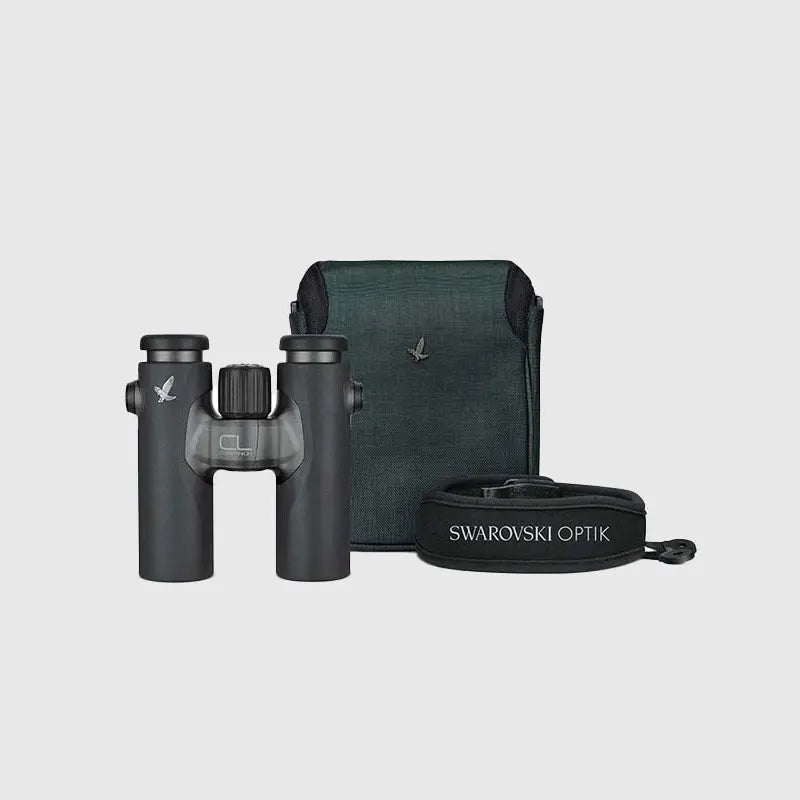
✅ A certified solar filter fitted securely over the front of your telescope or binoculars
✅ A dedicated solar telescope
Never use:
❌ Sunglasses
❌ Camera ND filters
❌ Smoked glass
❌ CDs or DVDs
❌ Unfiltered telescopes or binoculars
A telescope or pair of binoculars without a proper solar filter can cause serious eye injury in an instant. If you're ever unsure whether your equipment is safe, don't use it until you've checked.
🔭 What Equipment Do You Need?
Eclipse Glasses
The simplest and most affordable way to enjoy the eclipse.
Perfect for families, schools and anyone watching with the naked eye.
Telescopes with Solar Filters
A telescope fitted with a quality white-light solar filter reveals an incredible amount of detail.
You'll be able to watch the Moon move steadily across the Sun's disc and, if conditions are favourable, spot sunspots on the Sun's surface.
Dedicated Solar Telescopes
For the ultimate experience, dedicated solar telescopes allow you to observe features invisible through ordinary filters, including:
-
Solar prominences
-
Filaments
-
Surface detail
-
Active regions
They're among the most fascinating instruments an amateur astronomer can own.
📷 Photographing the Eclipse
The eclipse is an excellent opportunity for astrophotography.
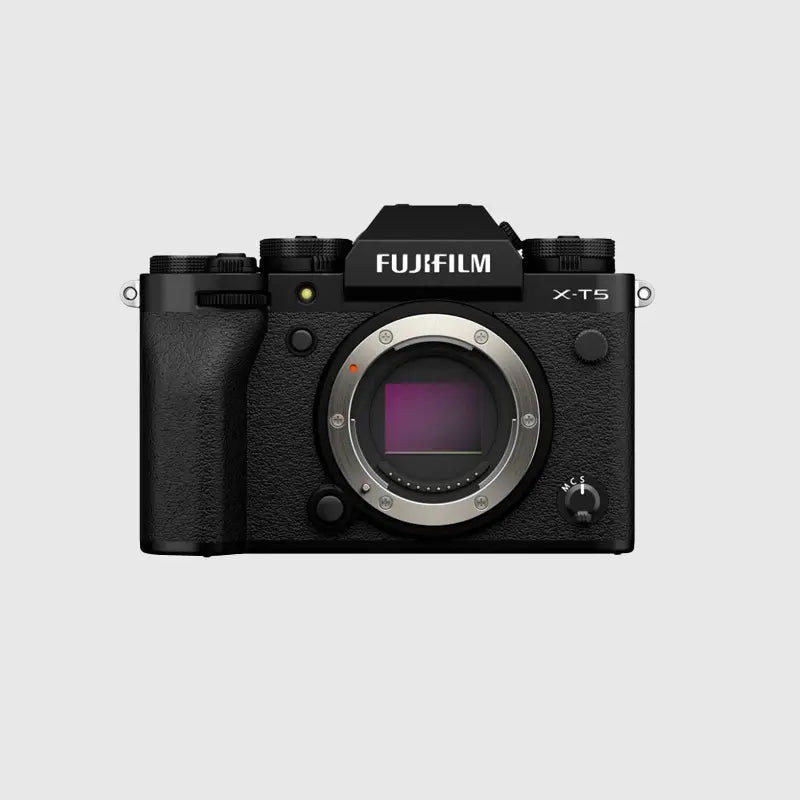
Whether you're using a DSLR, mirrorless camera or even a modern smartphone attached to a telescope, planning ahead will greatly improve your results.
For the best images you'll need:
-
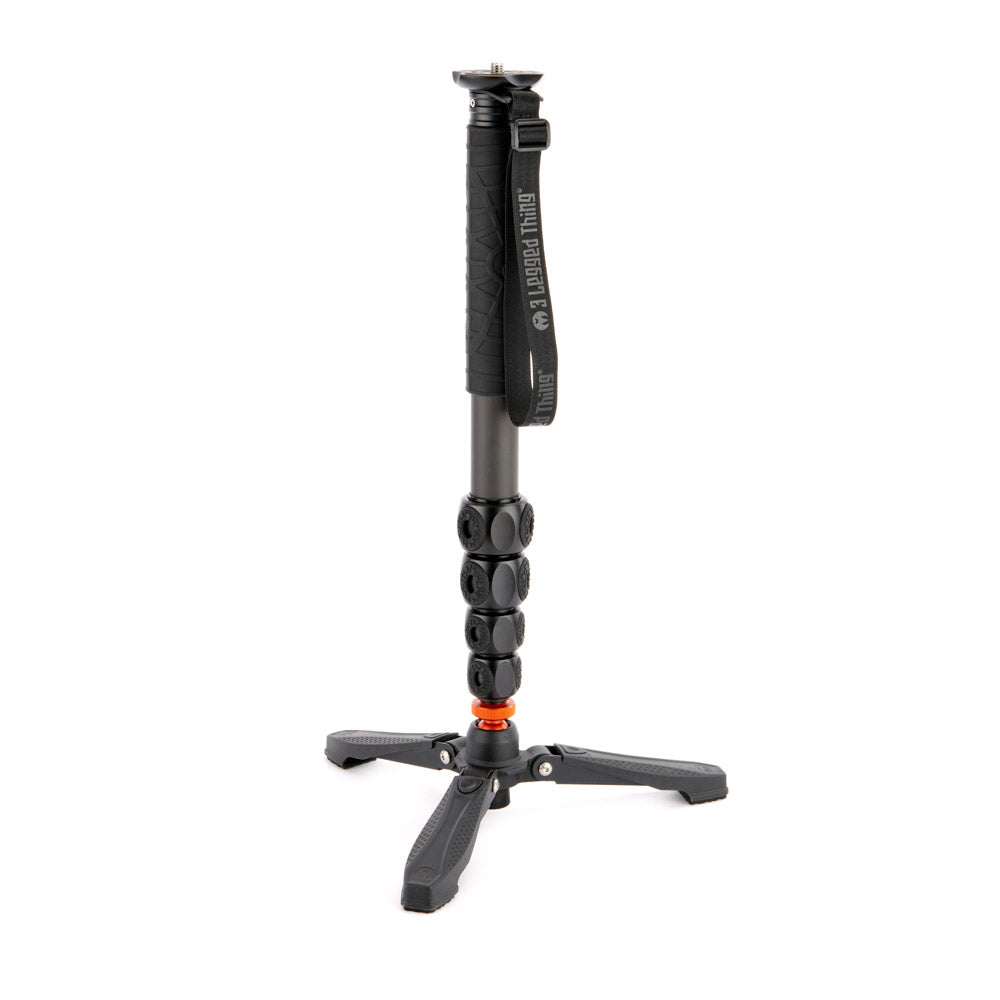
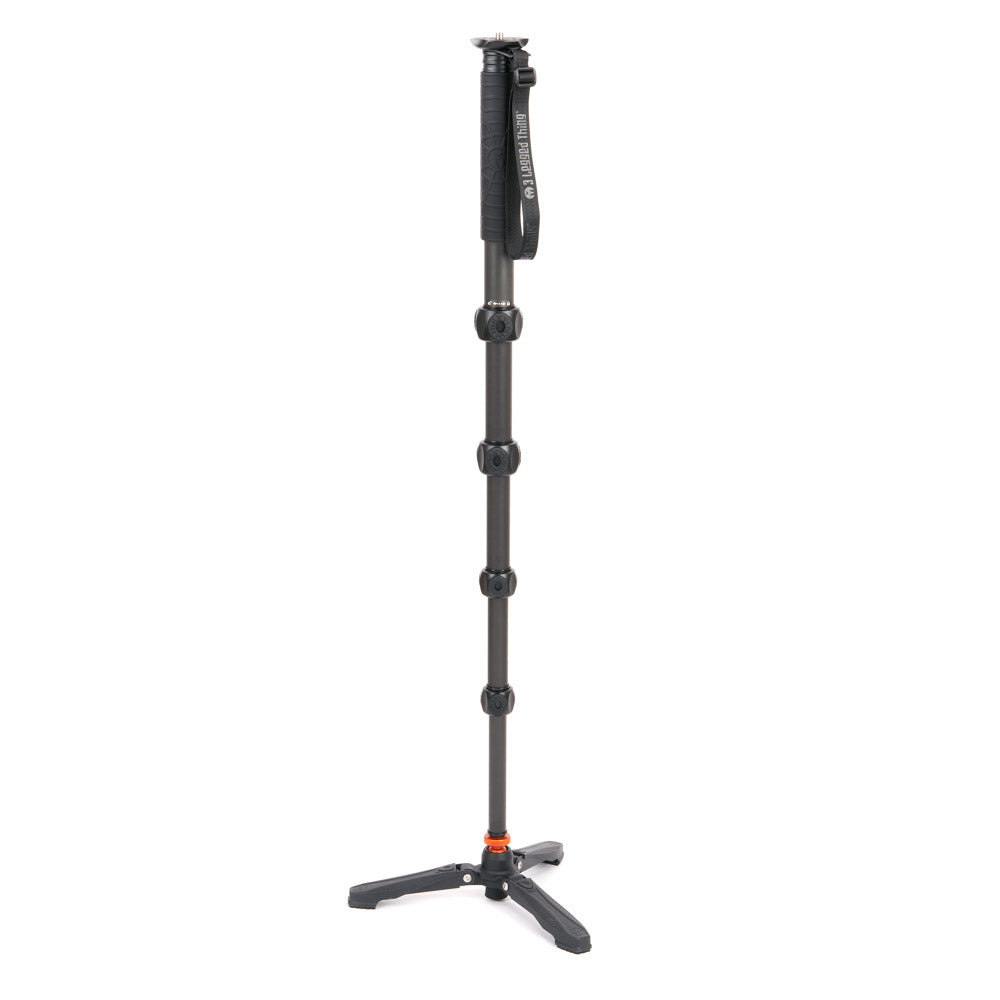
A sturdy tripod
-
A remote shutter release or self-timer
-
A certified solar filter for your camera lens
-
Fully charged batteries
-
Plenty of storage space
Never point an unfiltered camera or telescope directly at the Sun, as doing so can permanently damage both your equipment and your eyesight.
☁️ What If It's Cloudy?
If there's one thing we can't control, it's the British weather!
Fortunately, cloud forecasts become much more reliable in the days leading up to the eclipse.
If you're able to travel, even moving an hour or two can sometimes make the difference between clear skies and complete cloud cover.
Keep an eye on the forecast and remain flexible if possible.
🌞 Top Tips for Eclipse Day
-
Check the weather forecast a few days before.
-
Arrive at your viewing location early.
-
Test your equipment beforehand.
-
Make sure your solar filter is securely fitted.
-
Bring a chair, warm clothing and refreshments.
-
Share the experience with family and friends.
-
Take a few moments to simply enjoy the event.
🛒 Get Ready Before Eclipse Day
Demand for eclipse glasses and solar filters always increases as eclipse day approaches, and many popular products sell out well in advance.
If you're planning to watch the eclipse through a telescope or binoculars, now is the perfect time to make sure you have the correct solar filter.
At The Welsh Astronomy Centre, you'll find a carefully selected range of:
Preparing early means you'll be ready to enjoy the event the moment the eclipse begins.
Frequently Asked Questions
Will the UK see a total solar eclipse?
No. The UK will experience a large partial eclipse, while totality will be visible from parts of Greenland, Iceland and northern Spain.
Is it safe to look at the eclipse?
Yes—but only with certified solar viewing equipment. Never look directly at the Sun without appropriate protection.
Can children watch it?
Absolutely. Solar eclipses are a fantastic way to inspire young astronomers, provided children wear properly fitted eclipse glasses and are supervised by an adult.
Can I use my telescope?
Yes, but only if it is fitted with a certified solar filter over the front of the telescope before it is pointed at the Sun.
Don't Miss This Incredible Event
The 12 August 2026 solar eclipse promises to be one of the most memorable astronomical events visible from the UK for many years.
Whether you watch with eclipse glasses from your garden or enjoy a close-up view through a safely filtered telescope, it's an event that will stay with you long after the Moon has moved on.
Take a little time to prepare, make safety your priority and enjoy one of the most captivating sights our Solar System has to offer.
We look forward to helping you make the most of eclipse day.